

High Index Lenses: Pros, Cons, and Essential Information
High index lenses are a lightweight and thinner alternative to regular lenses, designed to correct high refractive errors like nearsightedness, farsightedness, and astigmatism. Their ability to reduce the thickness and weight of glasses makes them a popular choice for those requiring strong prescriptions while maintaining style and comfort.
What Are High Index Lenses?
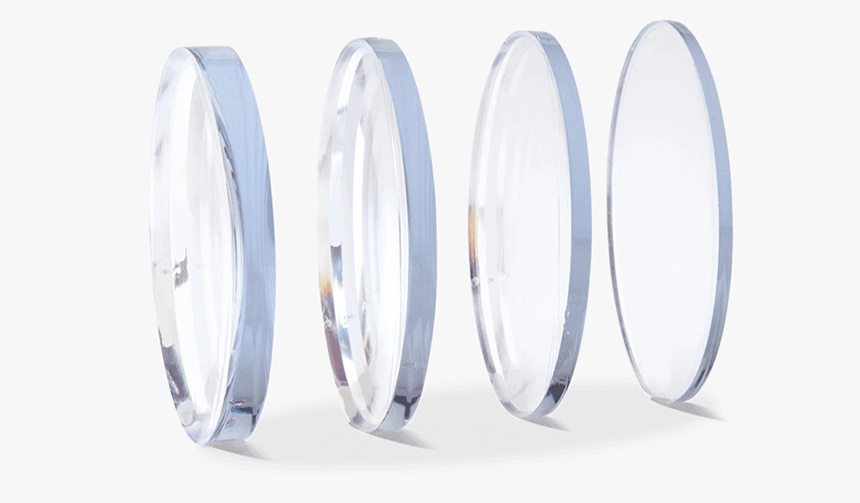
High index lenses are crafted from dense plastic or glass materials, enabling them to bend light more effectively than standard lenses. This density reduces the amount of material required to achieve the same level of correction, resulting in thinner and lighter lenses. The term "index" refers to the material's refractive properties, which determine its ability to bend light efficiently.
How Are High Index Lenses Made?
These lenses use specialized materials with higher indices of refraction, allowing them to achieve a thinner profile without compromising performance. The advanced manufacturing process involves shaping and polishing the lenses to precisely meet the wearer’s prescription needs.
When to Choose High Index Lenses
Strong Prescriptions
High index lenses are ideal for those with significant refractive errors, such as severe nearsightedness, farsightedness, or astigmatism. They help reduce the lens thickness, eliminating the need for bulky, unattractive frames while maintaining excellent vision correction.
Lightweight Comfort
If you find your regular lenses too heavy or experience discomfort from glasses sliding down your nose, high index lenses are a lightweight alternative. Proper adjustments can ensure a comfortable fit for extended wear.
Aesthetic Appeal
For individuals who dislike the appearance of thick lenses or want to wear thinner, lighter frames, high index lenses are an excellent option. These lenses work well with both minimalist and stylish frame designs, offering flexibility in frame choice.
Reducing Eye Strain
High index lenses minimize the strain caused by corrective lenses, particularly for those who frequently switch focus between near and distant objects. Their efficiency in bending light reduces the stress on the eyes, promoting long-term comfort.
Eliminating Bug-Eye Effects
Thick lenses can magnify or distort the appearance of the eyes, creating an undesirable "bug-eye" effect. High index lenses eliminate this issue, offering a more natural look while improving confidence and aesthetics.
Advantages of High Index Lenses
Thinner Lenses
High index lenses significantly reduce lens thickness, even for strong prescriptions, enabling a wider variety of frame choices. This thinner design enhances the overall appearance of the glasses.
Lightweight Design
Compared to standard lenses, high index lenses are much lighter, improving comfort for daily wear.
Disadvantages of High Index Lenses
Higher Cost
The advanced materials and complex manufacturing processes make high index lenses more expensive than standard options. Additional features like anti-reflective and anti-scratch coatings can further increase the cost.
Fragility
High index lenses are more fragile than regular lenses. Without proper coatings, they are prone to scratches and other damage, necessitating careful handling.
Are High Index Lenses Worth It?
High index lenses are an excellent choice for individuals who prioritize comfort, aesthetics, and vision clarity. Despite their higher cost, the benefits of thinner, lighter lenses and improved aesthetics make them a valuable investment for those with strong prescriptions.
Whether you want to reduce the weight of your glasses, enhance their appearance, or improve your overall wearing experience, high index lenses offer a superior solution for modern eyewear needs.
Share this post




- Deep Burgundy - Solid (S01)
- Red - Solid (S02)
- Burnt Orange - Solid (S03)
- Marmalade - Solid (S04)
- Sunshine Yellow - Solid (S05)
- Lime Green - Solid (S06)
- Green Forest - Solid (S07)
- Sage - Solid (S08)
- Army Green - Solid (S09)
- Spruce - Solid (S10)
- Turquiise - Solid (S11)
- Cornflower blue - Solid (S12)
- Navy - Solid (S13)
- Indigo - Solid (S14)
- Blue Orchid - Solid (S15)
- Lavender - Solid (S21)
- Mauve - Solid (S16)
- Purple - Solid (S17)
- Grape - Solid (S18)
- Warm Coral - Solid (S19)
- Hot Pink - Solid (S20)
- Chocolate - Solid (S22)
- Black – Solid (S23)
- White - Solid (S24)








Transition Lenses – The Pros And Cons
Transition lenses are specially designed to adapt to varying light conditions, allowing users to see clearly whether they're in bright sunlight or...
What Affects the Thickness of Glasses Lenses?
When choosing new glasses, most people are excited about selecting a stylish frame, but for some, the thickness of the lenses is...
What Are Photochromic Lenses (Transition Lenses)? A Complete Guide
Photochromic lenses, also known as transition lenses, have become a popular choice for many eyeglass wearers. These lenses adjust automatically to changing...
Varifocal Lenses: How They Work, Benefits, and Drawbacks
Varifocal lenses, also known as progressive lenses, provide seamless vision correction for various distances. They eliminate the need for multiple pairs of...
Anti-Fatigue Lenses: Benefits, Uses, and Tips
In today’s digital age, most people spend hours in front of computer screens, binge-watching shows, or reading books with small print. These...
Understanding CYL, AXIS, and SPH in Eye Prescriptions
When you receive an eye prescription, you may notice terms like CYL, AXIS, and SPH. These are essential measurements that help determine...
Progressive Lenses: Pros and Cons You Should Know
Progressive lenses, also called multifocal or no-line bifocals, are corrective lenses designed to provide clear vision at multiple distances. Unlike traditional bifocal...
Blue Light Blocking Lens
Blue-ray exists everywhere todayWith the widespread use of electronic screens, more people suffer from eyestrain symptoms when using electronic devices. One of...