


Dish Soap or Hand Soap? Choosing the Right Neutral Cleaner to Protect Your Blue-Light Blocking Lens Coating
Modern eyewear does far more than improve vision. Today’s lenses often include advanced coatings designed to reduce glare, resist scratches, repel water, and filter blue light emitted by digital screens. These coatings make everyday screen use more comfortable — but they also require proper care.
One of the most common questions eyeglass wearers ask is surprisingly simple:
Should you clean your glasses with dish soap or hand soap?
The answer matters more than many people realize. Using the wrong cleaning product can slowly degrade lens coatings, causing haziness, peeling, reduced clarity, and shortened lens lifespan.
In this comprehensive guide, we’ll explore how blue-light coatings work, why cleaning chemistry matters, how to choose a truly neutral cleaner, and the exact techniques professionals recommend to keep lenses crystal clear for years.
Why Blue-Light Blocking Coatings Require Special Care
Blue-light filtering lenses are created by applying ultra-thin functional layers onto the lens surface. These coatings selectively reflect or absorb specific wavelengths of light while maintaining transparency.
A typical coated lens may include multiple microscopic layers:
- Anti-reflective coating
- Hard protective layer
- Hydrophobic coating
- Oleophobic (oil-resistant) layer
- Blue-light filtering layer
Each layer is incredibly thin — often measured in nanometers.
Because coatings sit on the surface rather than inside the lens material, improper cleaning gradually damages them.
The Hidden Enemy: Everyday Cleaning Habits
Many people unknowingly shorten the life of their glasses through routine habits such as:
- Cleaning lenses with clothing fabric
- Using household cleaners
- Applying alcohol sprays excessively
- Washing with harsh soaps
- Rinsing with hot water
Damage rarely happens instantly. Instead, coatings slowly deteriorate, leading to:
- Rainbow-like reflections
- Cloudy patches
- Increased glare
- Smudges that never fully disappear
Proper cleaning begins with understanding chemical compatibility.
What Does “Neutral Cleaner” Actually Mean?
A neutral cleaner refers to a product with a pH close to 7 — neither strongly acidic nor strongly alkaline.
Why does this matter?
Extreme pH levels can weaken bonding between coating layers and lens surfaces.
Acidic Cleaners May:
- Etch protective layers
- Reduce anti-reflective performance
Alkaline Cleaners May:
- Break down coating adhesion
- Cause micro-cracking over time
Neutral formulas clean effectively while minimizing chemical stress.
Dish Soap vs. Hand Soap: The Real Differences
Although both products appear gentle, their formulations serve different purposes.
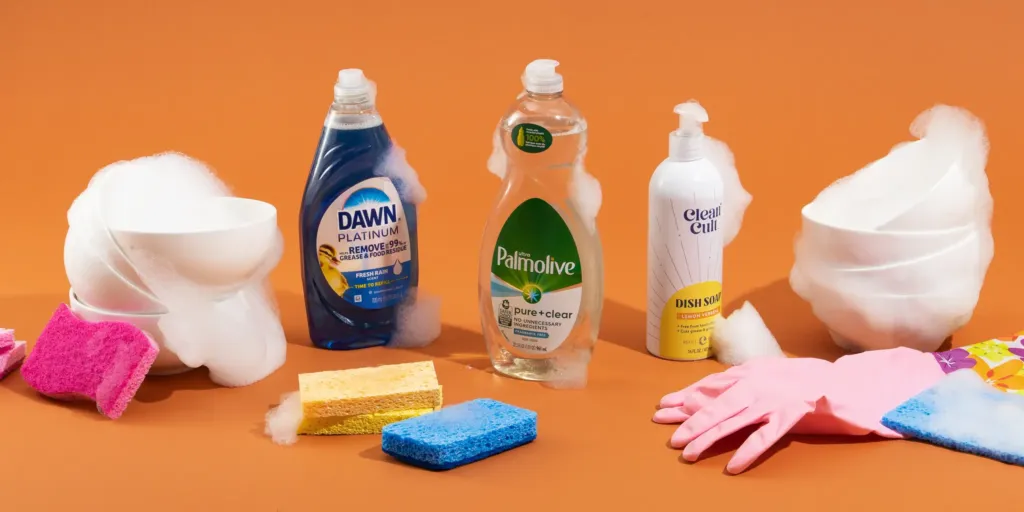
Dish Soap
Designed to remove grease and food residue, dish soap typically contains:
- Strong degreasers
- Surfactants optimized for oils
- Fragrance additives
- Colorants
Some premium dish soaps are mild enough for lenses — but many are stronger than necessary.
Hand Soap
Hand soap prioritizes skin comfort and may include:
- Moisturizers
- Lotions
- Antibacterial agents
- Essential oils
These additives often leave residues that smear across lenses.
So which is safer?
The answer depends on formulation — not product category alone.
Why Moisturizing Hand Soaps Are Bad for Lenses
Many liquid hand soaps contain emollients such as glycerin, aloe, or oils intended to prevent skin dryness.
While great for hands, these ingredients create problems for lenses:
- Leave invisible films
- Increase smudging frequency
- Attract dust particles
- Reduce clarity under bright light
If your glasses look clean but feel greasy minutes later, moisturizing agents are often responsible.
The Ideal Lens Cleaning Soap
Optometrists generally recommend a cleaner with these characteristics:
- pH-neutral formula
- No lotions or moisturizers
- No microbeads or exfoliants
- Minimal fragrance
- Dye-free when possible
A small drop is sufficient — more soap does not mean cleaner lenses.
The Science of Surfactants and Lens Safety
Cleaning agents work through surfactants, molecules that lift oils away from surfaces.
Gentle surfactants:
- Remove fingerprints safely
- Rinse away completely
- Preserve coating integrity
Aggressive surfactants, however, may strip hydrophobic layers over time.
Once this layer wears down, lenses begin attracting water spots and oils more easily.
Step-by-Step: The Safest Way to Wash Glasses
Professional optical shops often follow a simple but precise method.
Step 1: Rinse First
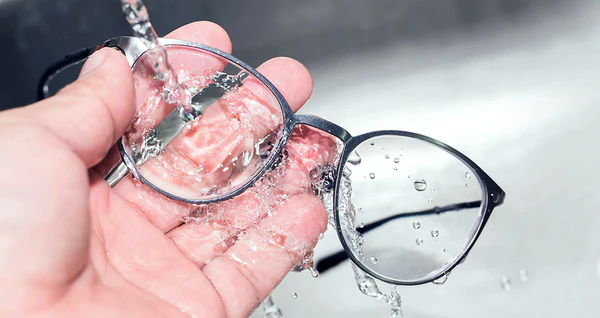
Hold glasses under lukewarm running water to remove dust particles that could scratch lenses.
Step 2: Apply a Tiny Drop of Neutral Cleaner
Use fingertips — never sponges or brushes.
Step 3: Gently Rub Both Sides
Clean lenses, nose pads, and frame edges.
Step 4: Rinse Thoroughly
Soap residue causes streaking.
Step 5: Shake Off Excess Water
Avoid wiping immediately.
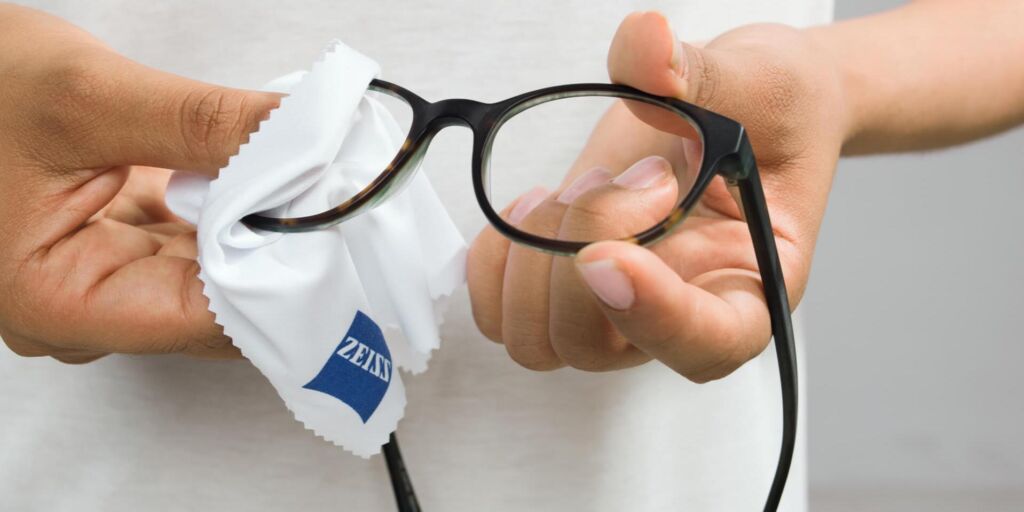
Step 6: Dry With Microfiber Cloth
Pat gently instead of rubbing aggressively.
This routine reduces coating wear dramatically.
Water Temperature Matters More Than You Think
Hot water is one of the fastest ways to damage lens coatings.
High temperatures may:
- Expand lens material unevenly
- Weaken adhesive layers
- Cause coating separation
Always use lukewarm or cool water.
Common Cleaning Mistakes That Destroy Coatings
Even expensive lenses fail prematurely due to simple habits.
Avoid:
- Paper towels or tissues
- Shirt sleeves
- Window cleaner
- Vinegar solutions
- Alcohol wipes used daily
- Ultrasonic cleaners without guidance
Micro-scratches accumulate over time and scatter light, reducing visual clarity.
Why Blue-Light Coatings Show Damage Easily
Blue-light filters interact with specific wavelengths, making surface imperfections more visible.
When coatings degrade, users may notice:
- Purple or green reflections becoming uneven
- Increased glare from screens
- Eye strain returning
- Reduced contrast
Often, the coating isn’t defective — it’s worn by improper cleaning.
How Often Should You Wash Glasses?
Frequency depends on lifestyle.
Heavy Screen Users
Clean once daily to remove skin oils.
Outdoor Activities
Rinse after exposure to dust or sweat.
Minimal Use
Every 2–3 days may be sufficient.
Regular gentle cleaning is safer than occasional aggressive cleaning.
Travel-Friendly Cleaning Alternatives
When water isn’t available:
- Use lens-specific spray cleaners
- Carry microfiber cloths in protective cases
- Avoid dry wiping dusty lenses
Pre-moistened wipes should be labeled safe for coated lenses.
Understanding Microfiber Cloth Care
A dirty cloth spreads oils instead of removing them.
Best practices:
- Wash cloth weekly
- Use mild detergent only
- Avoid fabric softener
- Air dry when possible
Fabric softeners leave residues that transfer to lenses.
Signs Your Cleaning Routine Needs Adjustment
Watch for these warning signs:
- Persistent haze after cleaning
- Increased glare at night
- Water no longer beads on lenses
- Smudges appear quickly after washing
These indicate coating wear or residue buildup.
Extending the Life of Blue-Light Lenses
Small habits create big results.
Store Glasses Properly
Always use a hard case when not wearing them.
Avoid Face-Down Placement
Hard surfaces scratch coatings instantly.
Remove With Both Hands
Prevents frame misalignment and lens stress.
Keep Away From Heat
Cars and sunny dashboards can reach damaging temperatures.
The Role of Professional Cleaning
Occasional professional maintenance helps restore performance.
Optical shops may offer:
- Ultrasonic cleaning
- Deep frame sanitation
- Screw tightening
- Coating inspection
Annual servicing extends eyewear longevity.
Why “Stronger” Cleaners Don’t Mean Better Results
Many people assume stronger cleaning equals clearer lenses.
In reality:
- Coatings require preservation, not stripping
- Mild cleaning done consistently works best
- Over-cleaning causes more harm than dirt
Gentleness is the secret to long-lasting clarity.
Frequently Asked Questions
Can I Use Dish Soap Every Day?
Yes, if it is mild, lotion-free, and used in small amounts.
Is Hand Soap Ever Safe?
Only if it contains no moisturizers or added oils.
Are Alcohol Sprays Safe?
Occasional use is acceptable, but daily exposure may shorten coating life.
Why Do My Lenses Smear After Cleaning?
Residue from soaps or dirty cloths is usually the cause.
Building a Simple Daily Lens Care Routine
A reliable routine might look like this:
Morning:
- Quick rinse and microfiber dry
Evening:
- Gentle wash with neutral cleaner
Weekly:
- Wash microfiber cloth
Monthly:
- Inspect lenses under bright light
Consistency protects coatings better than intensive cleaning sessions.
The Long-Term Value of Proper Lens Care
High-quality lenses are an investment in comfort, productivity, and eye health. Blue-light coatings enhance digital life, but only when maintained correctly.
Choosing the right neutral cleaner — whether a mild dish soap or carefully selected soap alternative — makes a measurable difference in how long lenses remain clear and effective.
Small daily decisions determine whether coatings last two years or five.
Final Thoughts
The debate between dish soap and hand soap isn’t really about brand names or marketing claims. It’s about chemistry, formulation, and understanding how delicate lens coatings function.
A gentle, neutral cleaner without additives offers the safest balance between cleanliness and protection. Combined with proper washing techniques and mindful habits, it allows blue-light blocking lenses to perform exactly as designed — delivering sharp vision, reduced glare, and lasting comfort.
When you treat your lenses with the same care you expect from them, clarity becomes effortless — and your glasses stay as reliable as the day you first wore them.
Share this post




Living a Multifaceted Life: How Custom Modular Eyewear Defines Your Personal Identity
Yet for years, eyewear has tried to force all these identities into one fixed frame.In a world where people change roles, moods,...
The Secret Weapon for Sculpting Your Face: How to Customize Eyewear Based on Your Cheekbones and Brow Shape
When it comes to elevating your appearance, most people think about hairstyles, makeup, or wardrobe upgrades. But there’s one transformative accessory that...
How Mechanical Clip Systems Make Quick Temple Replacement Possible: The Future of Modular Eyewear Design
Eyewear has evolved far beyond simple vision correction. Today, glasses are fashion statements, performance tools, and everyday essentials that must adapt to...
Are Pink Glasses in Style?
Pink glasses are a timeless symbol of charm and personality. They evoke feelings of compassion, love, and hope, making them a popular...
One-Second Color Switch
How to Match Your Glasses Frame to Today’s Outfit—EffortlesslyLet’s be honest.You don’t wear the same outfit every day.Some days it’s clean and...
“Five O’Clock Headache”: Could Custom Eyewear Be the Cure for Your Daily Fatigue?
Around 4:30 p.m., your focus softens. By 5:00 p.m., there’s a dull pressure behind your eyes. Your temples tighten. The screen feels...