


Beyond the Numbers – The Hard Truth Behind Custom Eyewear Specifications
The frame looks good.
The lenses are thin.
The prescription matches their eyesight.
And that’s usually where the conversation ends.
But custom eyewear is not just about looks or basic prescription values. Behind every pair of truly well-made glasses lies a dense network of measurements, tolerances, optical principles, and design trade-offs—many of which never make it into marketing copy.
This article is about those hidden parameters.
Not the simplified versions you see on product pages, but the real technical factors that determine whether custom glasses feel effortless on your face—or quietly frustrate you every day.
If you’ve ever wondered why two pairs of glasses with “the same prescription” can feel completely different, this guide is for you.
Why Custom Eyewear Is More Than a Prescription
A prescription tells us what correction your eyes need.
It does not tell us:
- How the lenses sit in front of your eyes
- How light enters your pupils during daily movement
- How your face geometry interacts with frame structure
- How optical performance changes at the edges
- How comfort evolves over hours of wear
Custom eyewear exists because human faces and visual behavior are not standardized.
Mass-produced glasses assume averages.
Custom glasses account for reality.
And reality is messy, asymmetric, and highly individual.
The Myth of “Standard Fit”
Let’s start by debunking a common assumption.
There is no such thing as a truly “standard” fit.
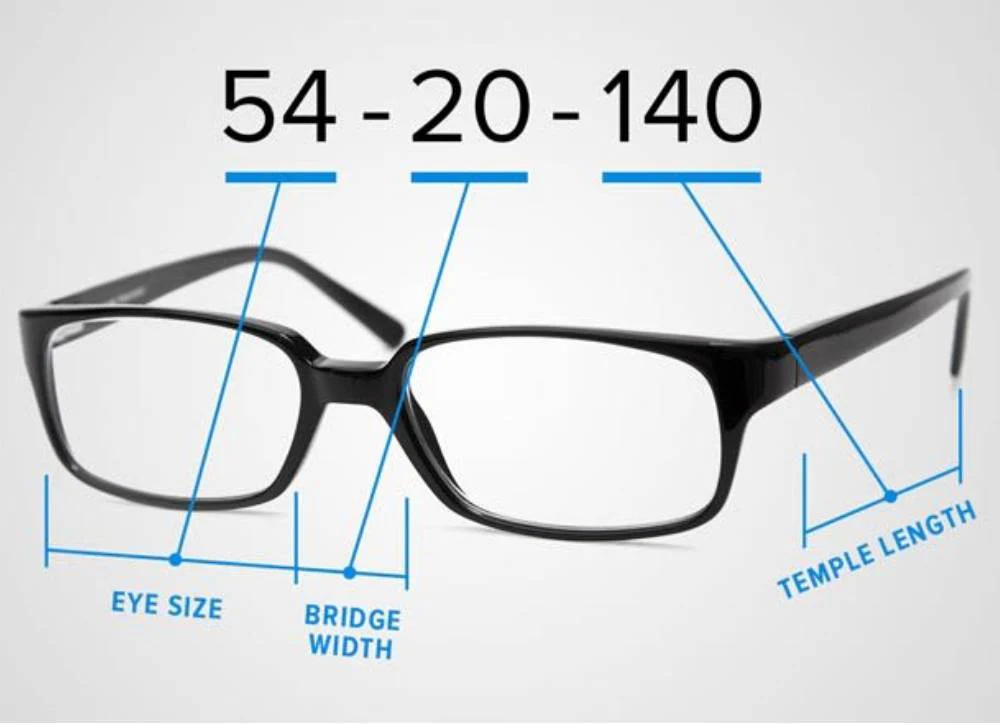
Two people with the same pupillary distance (PD) can experience completely different visual clarity if:
- Their nose bridge shapes differ
- Their frame wrap angles differ
- Their eye dominance differs
- Their posture and head tilt differ
Yet many glasses are still designed using flat assumptions:
- Symmetrical faces
- Static head position
- Ideal lens alignment
- Minimal eye movement
Custom eyewear begins where these assumptions break down.
Core Optical Parameters Most People Never Think About
1. Pupillary Distance (PD) Is Not Just One Number
Most consumers are familiar with PD as a single value:
“Your PD is 63 mm.”
In reality, PD has layers:
- Distance PD vs. Near PD
- Monocular PD (left and right measured separately)
- Functional PD under real wearing conditions
Why this matters:
Your eyes don’t sit perfectly centered in frames. Even a 1–2 mm deviation can introduce unwanted prismatic effects, eye strain, or subtle distortion—especially in higher prescriptions.
Custom eyewear treats PD as a dynamic alignment parameter, not a checkbox.
2. Optical Center Height: The Forgotten Variable
Vertical alignment matters just as much as horizontal alignment.
Optical center height determines where your eye looks through the lens most of the time, not just when your head is perfectly level.
Factors that affect this:
- Frame size and shape
- Nose pad height
- Lens vertical depth
- Natural head posture
Off-the-shelf glasses often center lenses based on frame geometry, not your eyes.
Custom lenses are centered on how you actually see, not how frames are drawn on paper.
3. Vertex Distance: The Space That Changes Everything
Vertex distance is the space between your eye and the lens surface.
Small difference. Big impact.
As vertex distance increases:
- Effective lens power changes
- Peripheral distortion increases
- Lens thickness perception shifts
This is especially critical for:
- High prescriptions
- Progressive lenses
- Wrap or sport frames
Custom eyewear accounts for your wearing distance—not a factory average.
Frame Geometry: Where Comfort and Optics Collide
Frames are not just fashion items.
They are structural optical components.
1. Pantoscopic Tilt
Pantoscopic tilt refers to the angle at which lenses tilt toward your cheeks.
Correct tilt:
- Improves optical alignment
- Reduces peripheral blur
- Enhances comfort during downward gaze (reading, screens)
Incorrect tilt:
- Causes distortion
- Increases eye fatigue
- Breaks progressive lens zones
Mass frames assume a default tilt.
Custom frames adjust it to your anatomy.
2. Face Wrap and Curvature
Modern frames often curve around the face for style and stability.
But increased wrap changes:
- Optical axis alignment
- Effective prescription power
- Peripheral aberrations
Custom eyewear compensates lens design for wrap angle.
Without compensation, even a “correct” prescription can feel wrong.
3. Bridge Design and Load Distribution
The bridge determines:
- Weight distribution
- Frame stability
- Pressure points on the nose
Two frames with the same width can feel completely different depending on:
- Bridge angle
- Saddle vs. keyhole design
- Pad material and adjustability
Custom eyewear considers comfort over hours, not just first impressions.
Lens Design: Where Most of the Magic Happens
1. Single Vision vs. Freeform Design
Traditional lenses are made using standard curves.
Freeform lenses are digitally surfaced point by point.
The difference:
- Freeform lenses optimize optical clarity across the entire lens
- They reduce peripheral distortion
- They adapt to frame shape and wearing parameters
Custom eyewear almost always relies on freeform technology—because customization without optical optimization is incomplete.
2. Progressive Lenses Are Personal by Nature
Progressive lenses are not “one size fits all.”
Variables include:
- Corridor length
- Zone width
- Transition softness
- Eye movement behavior
Two people with the same prescription may prefer completely different progressive designs.
Customization aligns lens behavior with how you actually use your vision:
- Reading habits
- Screen usage
- Driving patterns
- Occupational needs
3. Lens Material Choices Are Strategic
Index value affects:
- Thickness
- Weight
- Optical clarity
- Abbe value (chromatic aberration)
Higher index is not always better.
For some prescriptions:
- Mid-index offers better clarity
- Lower index offers better durability
- Thinner lenses may introduce more distortion
Custom eyewear balances material science—not just aesthetics.
Coatings: Not Just Add-Ons
Lens coatings are often treated as upsells.
In reality, they are functional layers that shape daily experience.
Key coatings include:
- Anti-reflective (reduces glare and halos)
- Hard coat (scratch resistance)
- Hydrophobic (easy cleaning)
- UV protection (long-term eye health)
- Blue light filtering (context-dependent)
Custom eyewear selects coatings based on usage, not trends.
Why Two “Identical” Glasses Feel Different
This question comes up constantly:
“Why do these glasses feel worse than my old pair, even with the same prescription?”
Because:
- PD was rounded
- Optical centers were frame-based
- Vertex distance changed
- Frame geometry altered alignment
- Lens design didn’t match usage
The parameters didn’t change on paper—but they changed in practice.
Custom eyewear exists to close that gap.
The Human Factor: Behavior Matters
Eyes are not static instruments.
They:
- Move constantly
- Adjust focus dynamically
- React to posture and environment
Custom eyewear considers:
- Screen-heavy lifestyles
- Multi-distance viewing
- Driving conditions
- Indoor vs. outdoor usage
Good glasses adapt to how you live, not just how you see.
Why Custom Eyewear Costs More—and Why That Matters
Customization adds cost because it adds:
- Measurement time
- Design complexity
- Manufacturing precision
- Quality control
- Iterative adjustment
You are not paying for materials alone.
You are paying for error reduction.
Mass eyewear tolerates averages.
Custom eyewear minimizes compromises.
Who Truly Benefits From Custom Eyewear?
Custom glasses are especially valuable for:
- High or asymmetric prescriptions
- Progressive lens users
- Long daily wearers
- Professionals with visual precision needs
- People who’ve “never felt comfortable” in glasses
For them, customization isn’t luxury—it’s functionality.
Final Thoughts: Numbers Are Only the Beginning
Eyewear specifications are not just numbers on a chart.
They are decisions about:
- Comfort
- Visual clarity
- Long-term eye health
- Daily quality of life
Custom eyewear takes those numbers seriously—then asks the harder questions behind them.
If you’ve ever felt that glasses were something you simply “put up with,” there’s a good chance the parameters weren’t wrong.
They were just incomplete.
And that’s where real customization begins.
Share this post
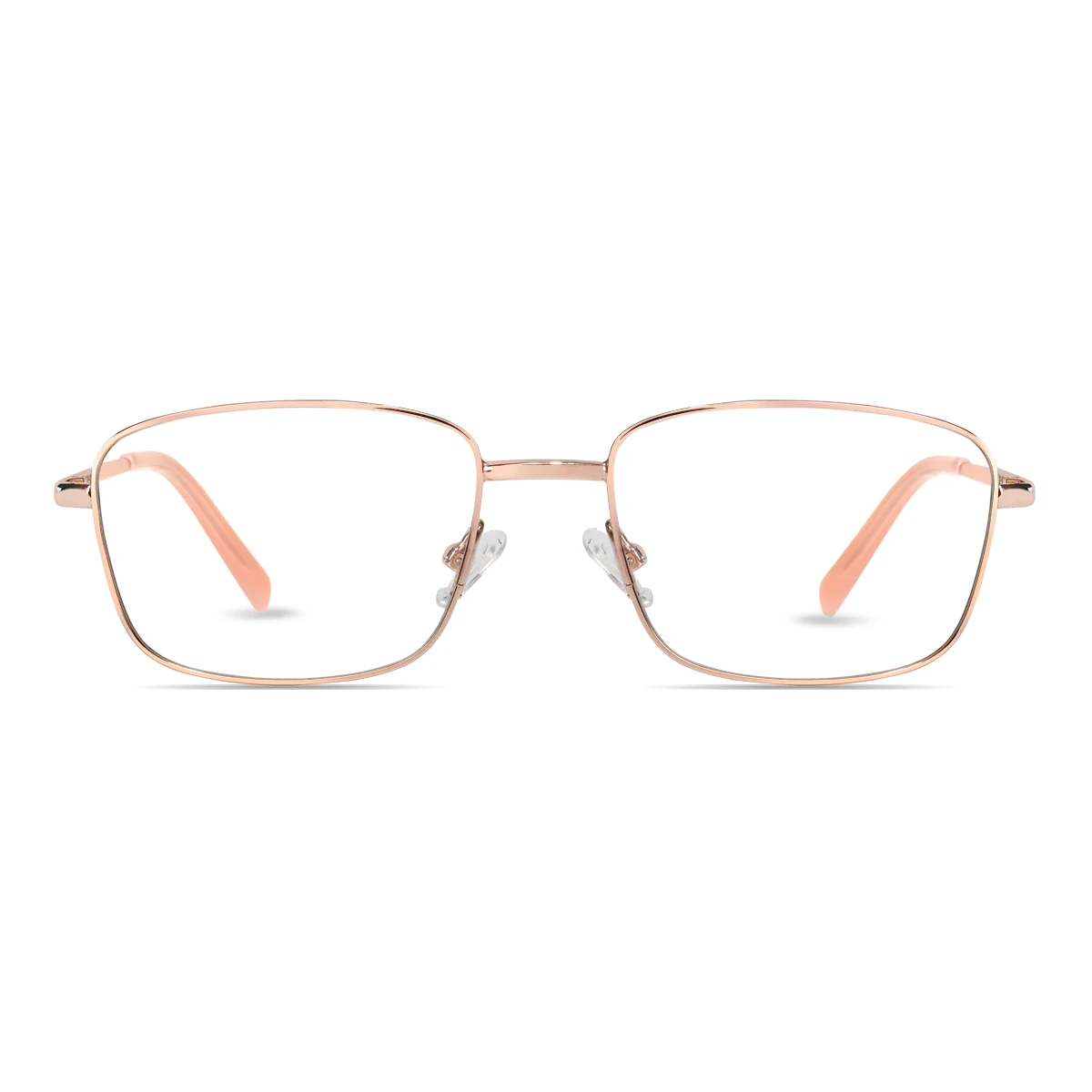
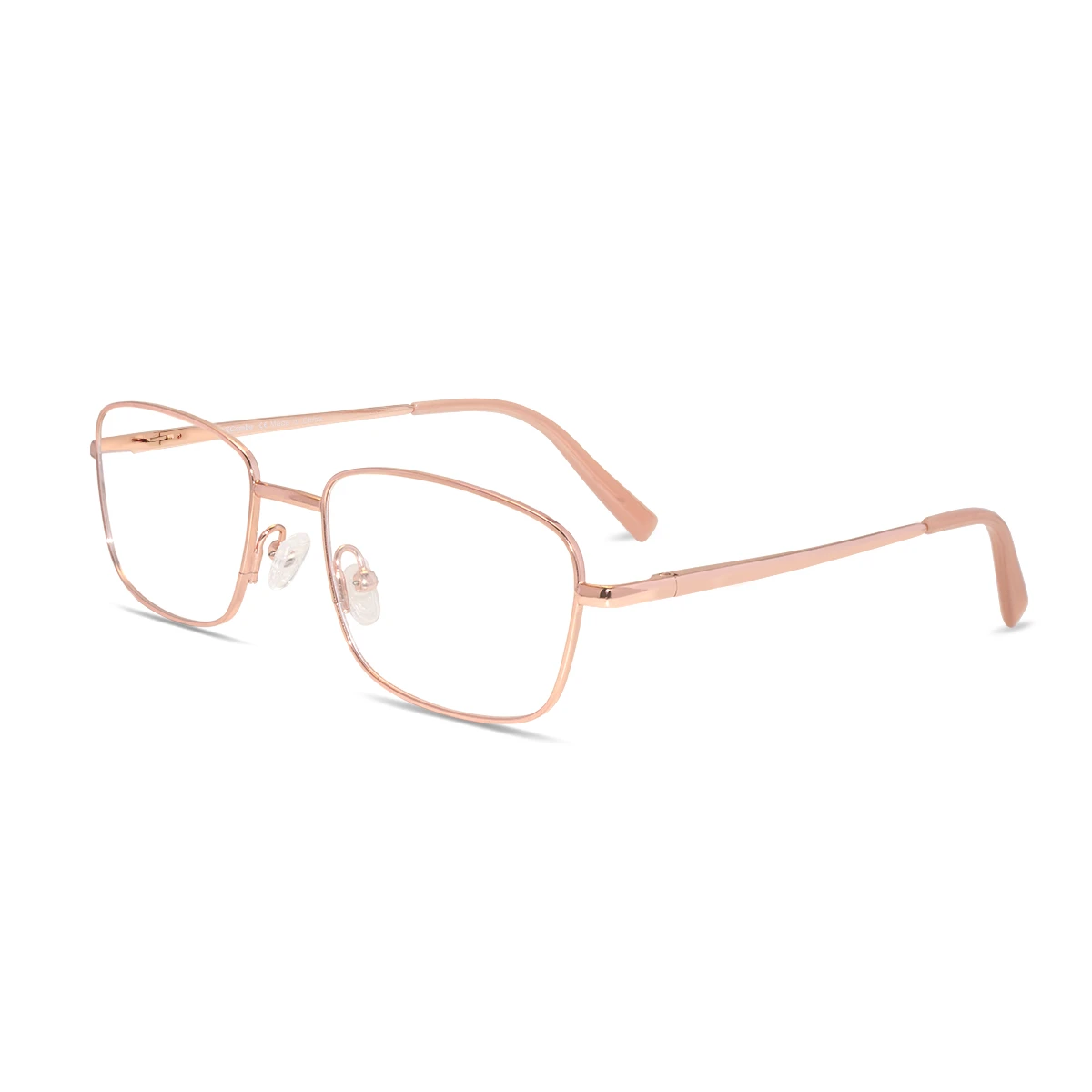
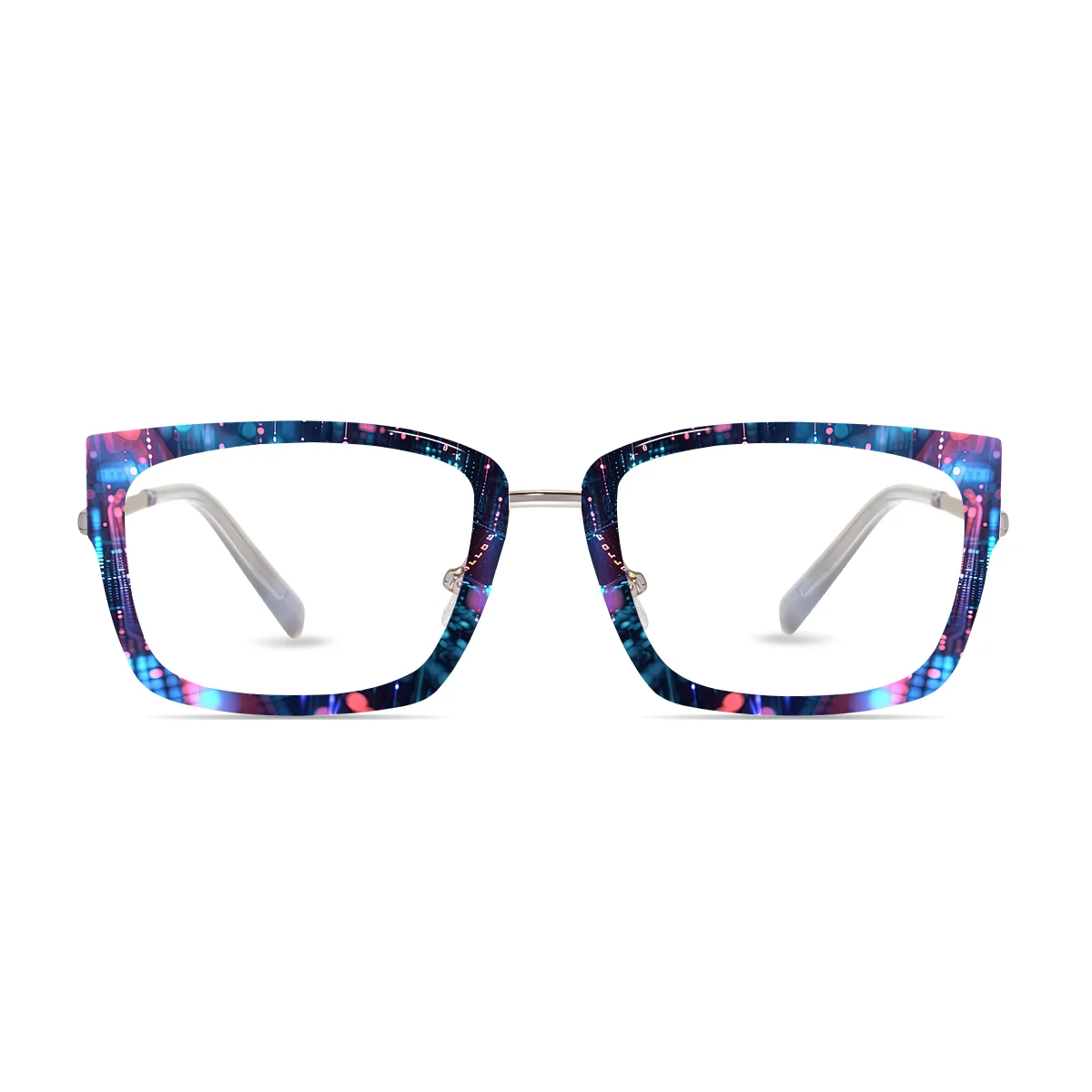
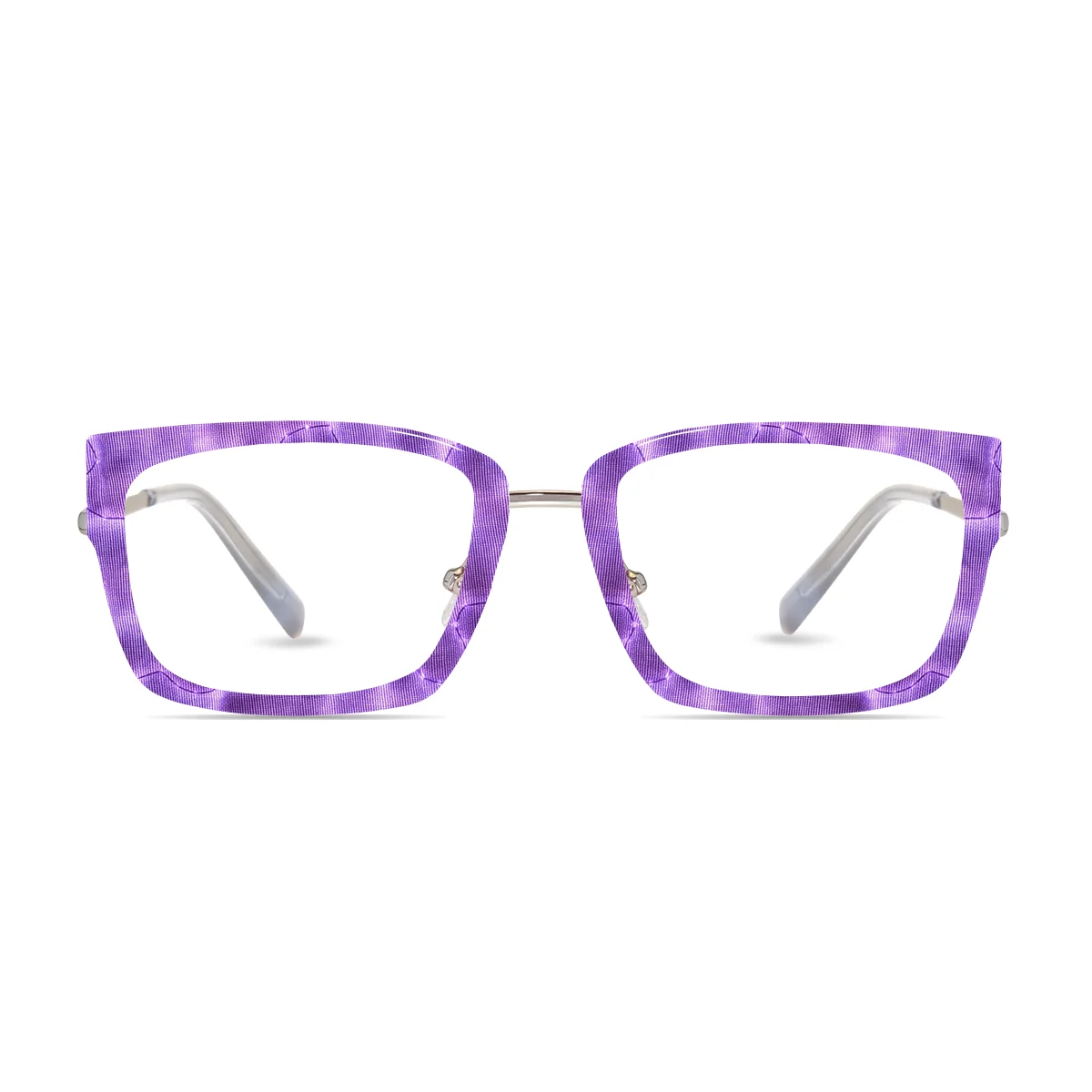
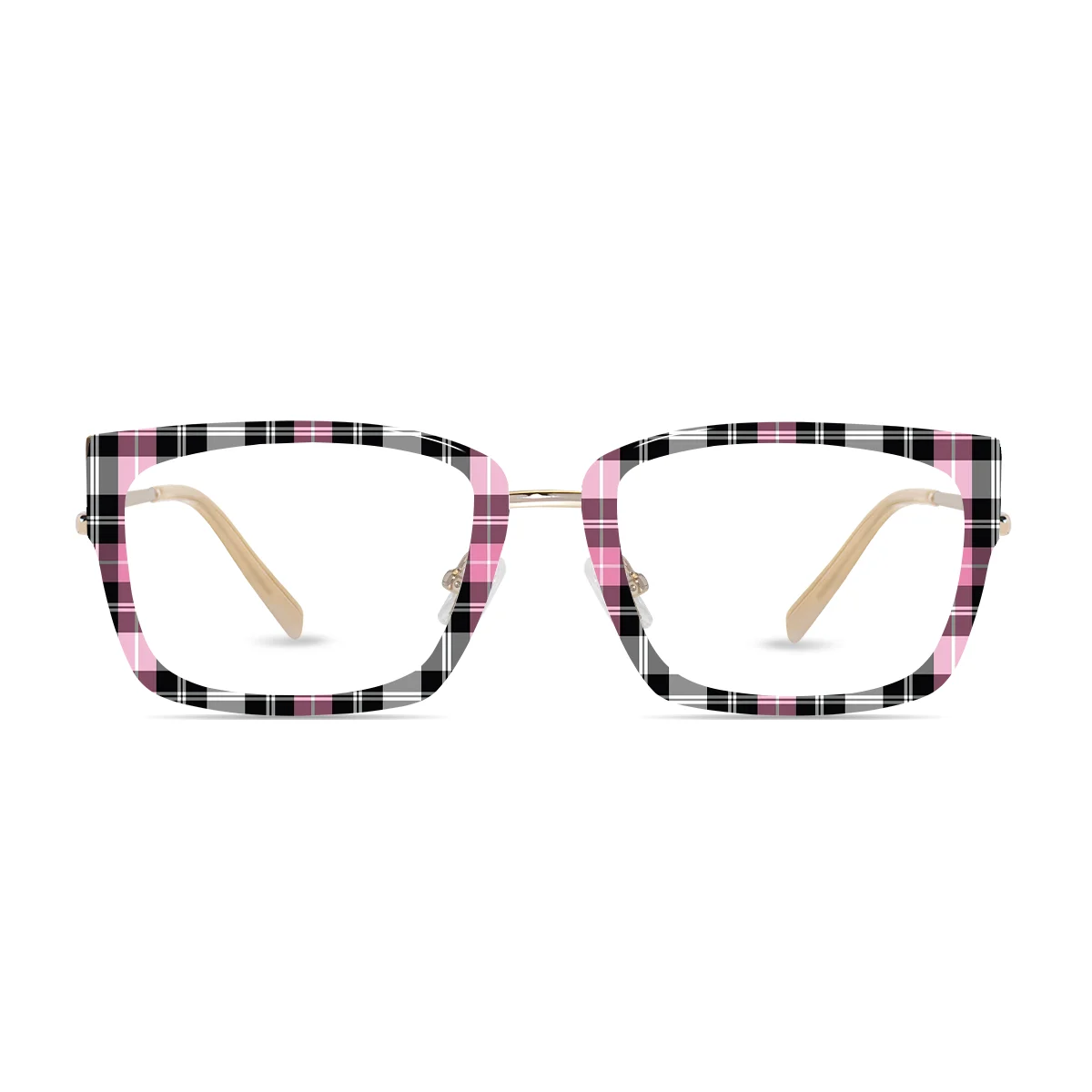
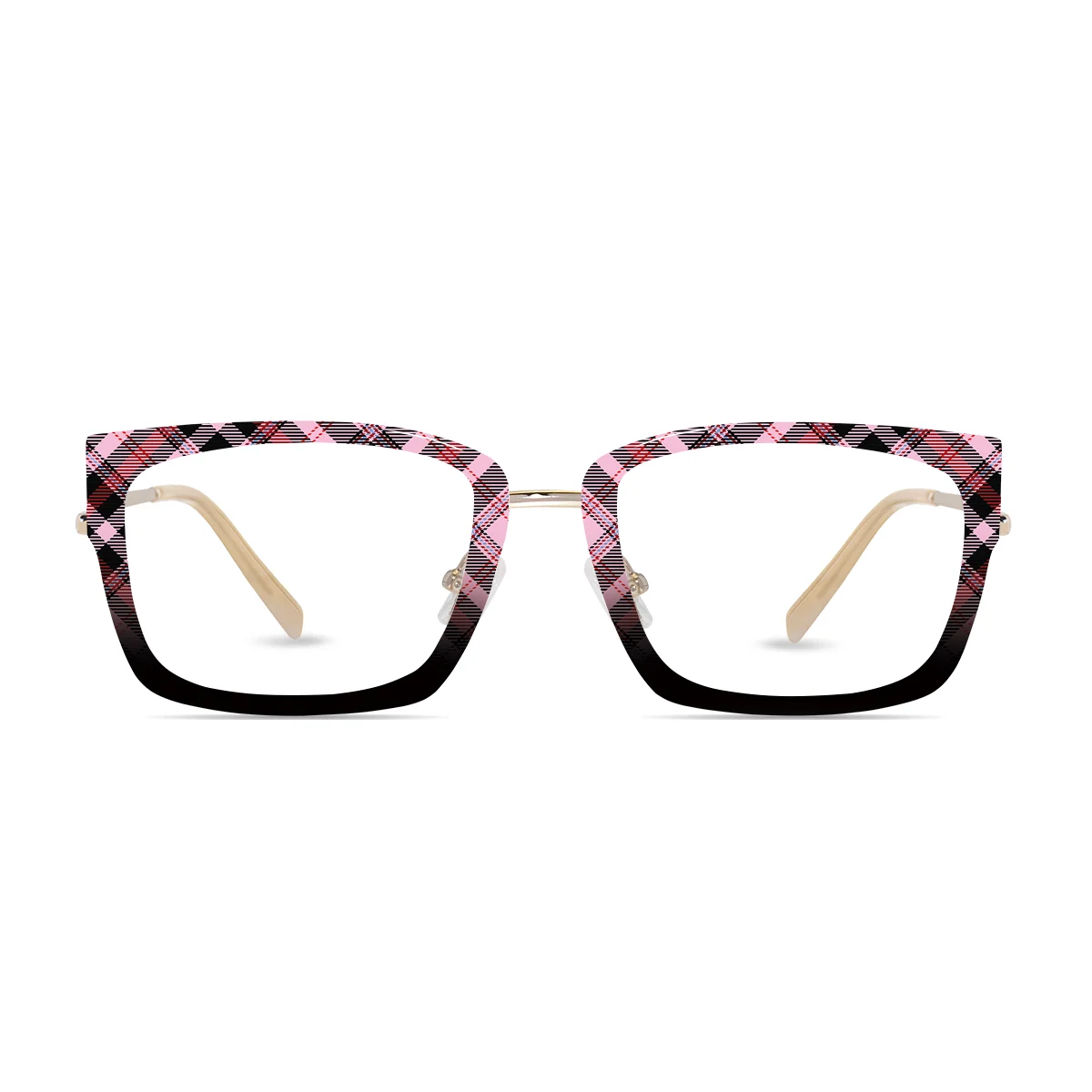
Soline Rose Gold Base Frame - Wide Rectangle


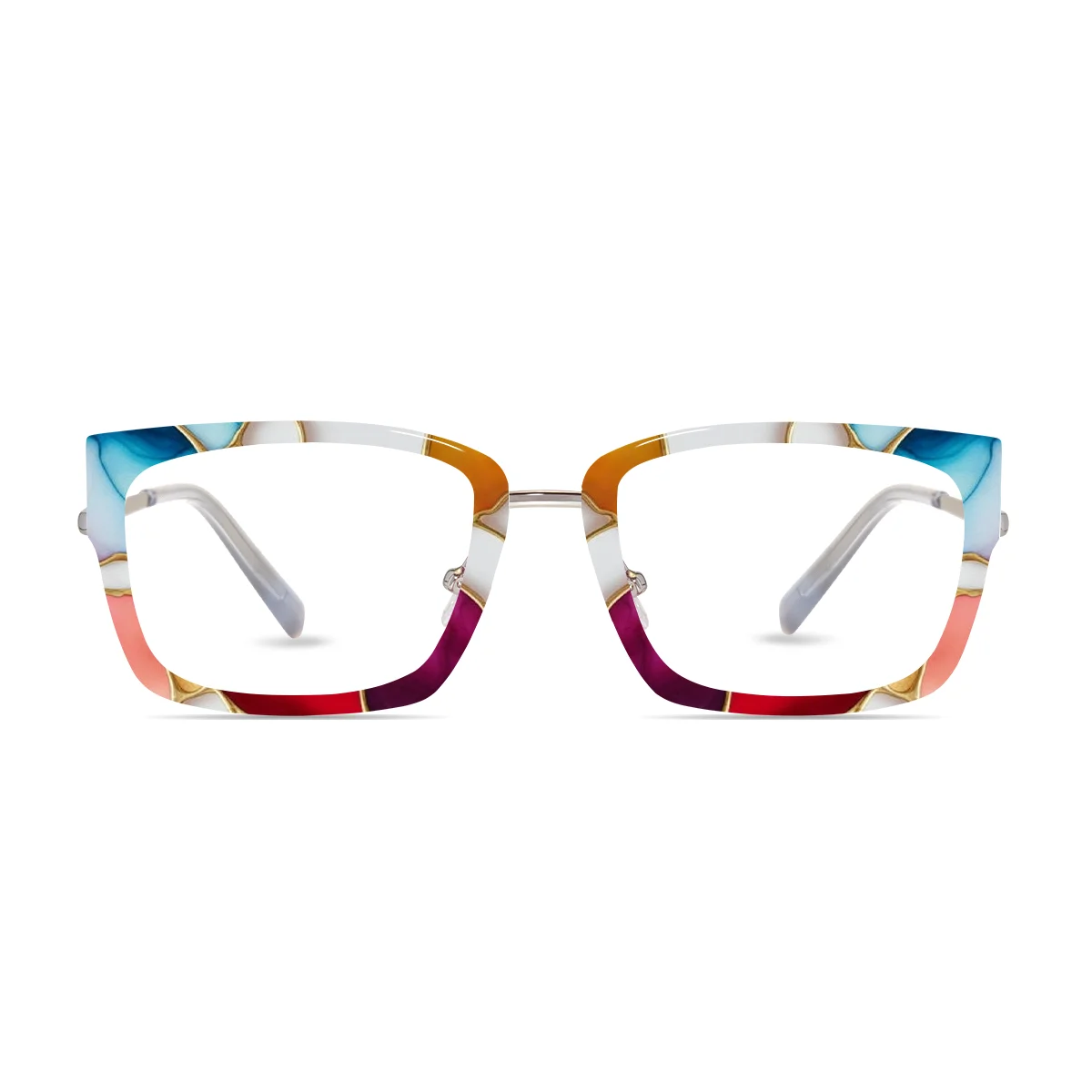
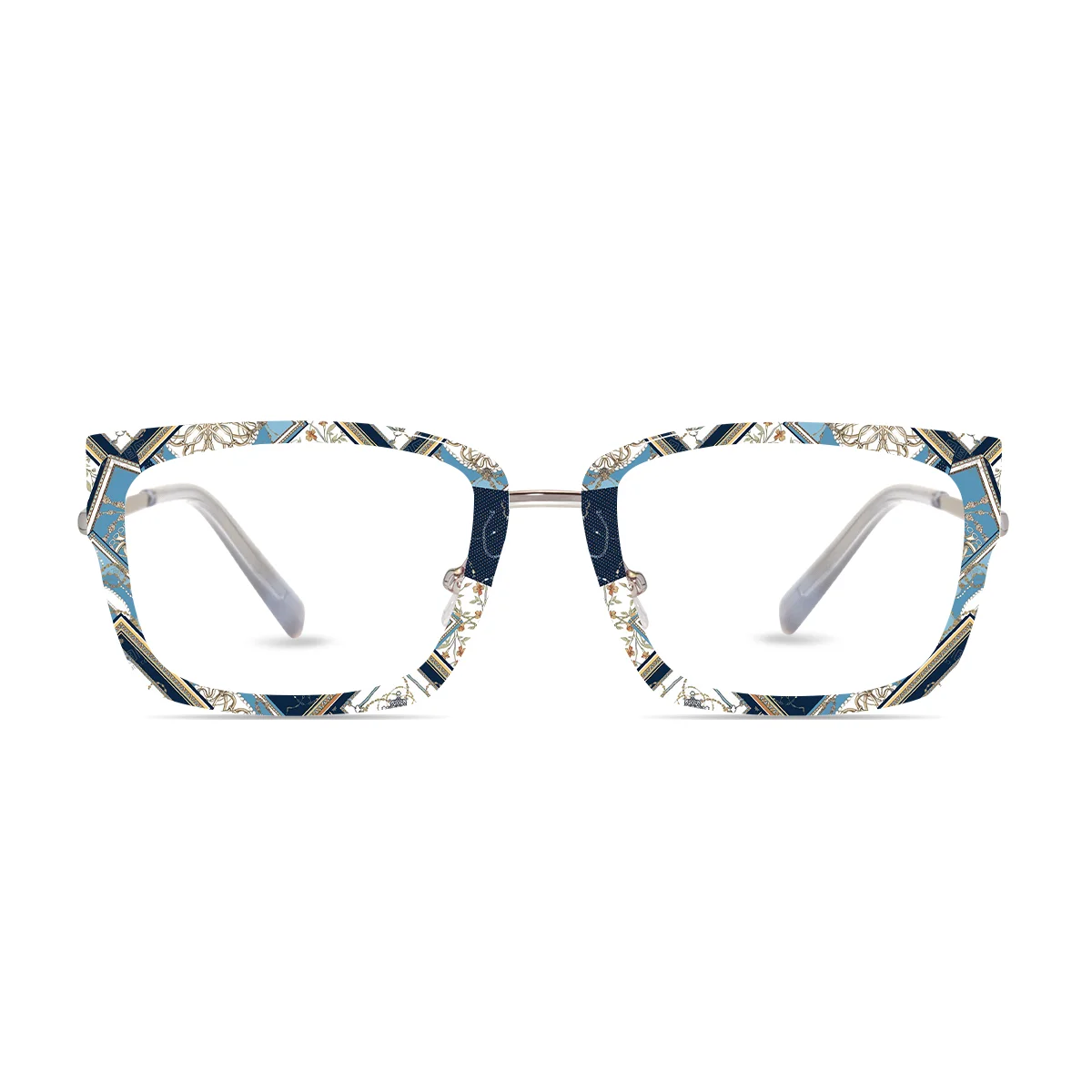


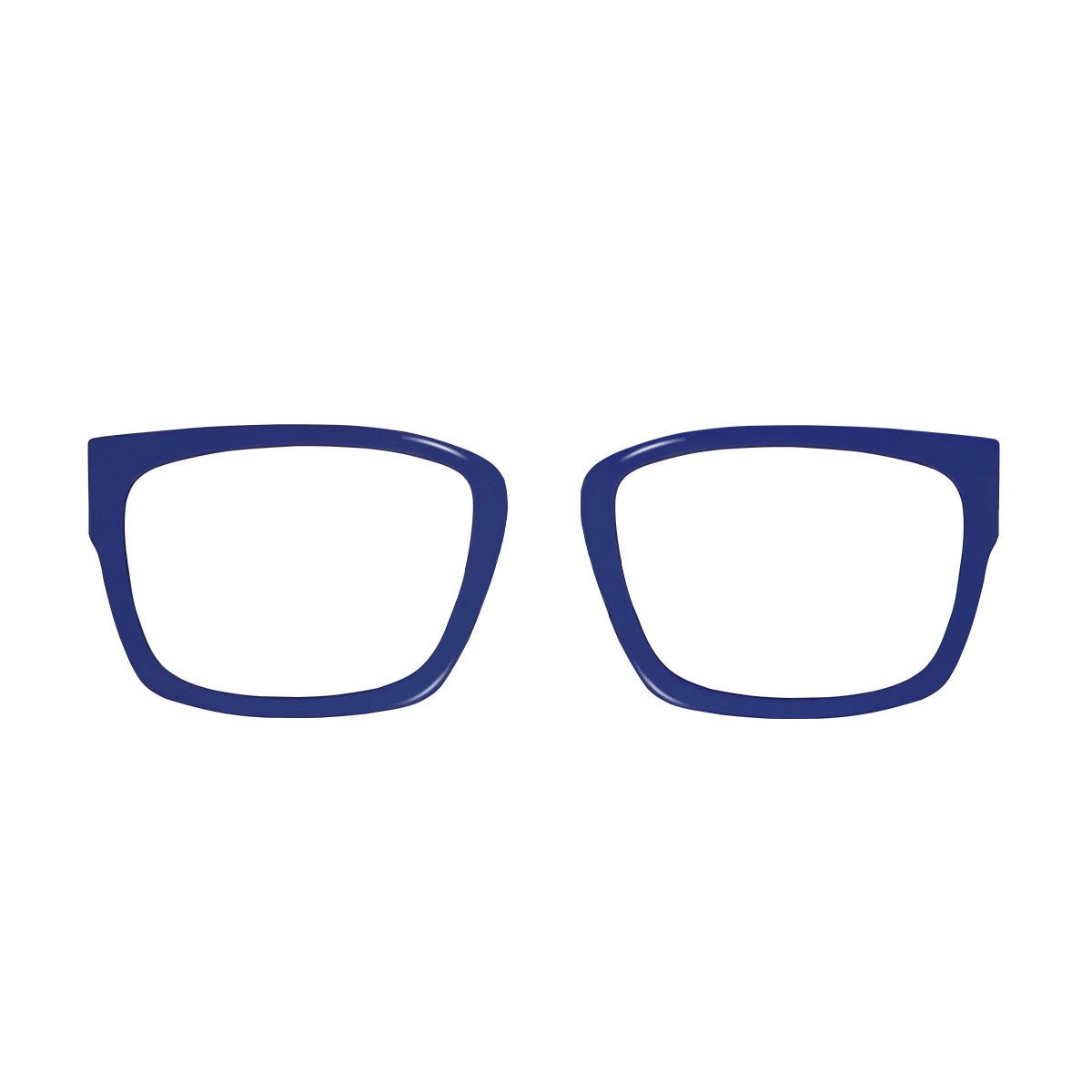
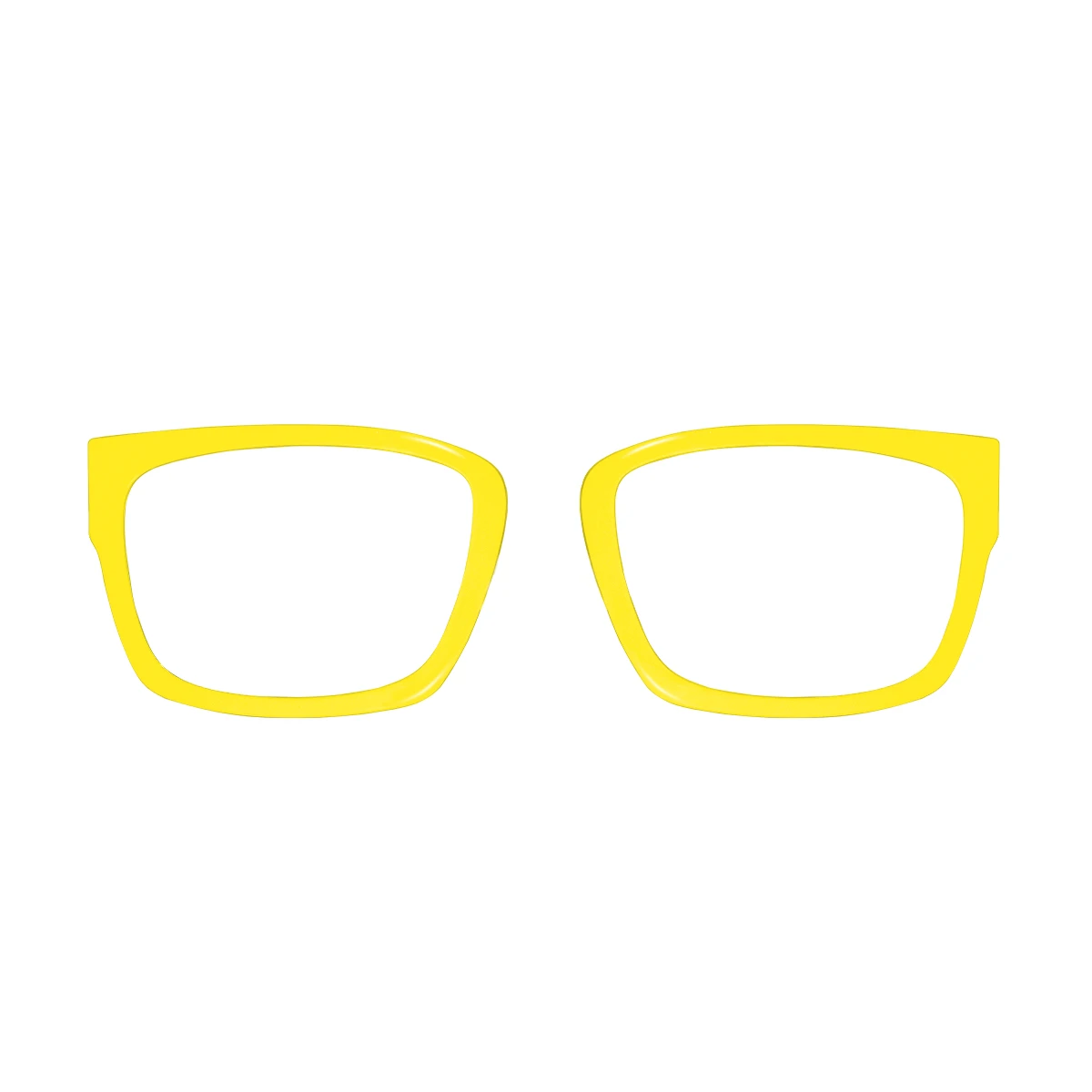
- Deep Burgundy - Solid (S01)
- Red - Solid (S02)
- Burnt Orange - Solid (S03)
- Marmalade - Solid (S04)
- Sunshine Yellow - Solid (S05)
- Lime Green - Solid (S06)
- Green Forest - Solid (S07)
- Sage - Solid (S08)
- Army Green - Solid (S09)
- Spruce - Solid (S10)
- Turquiise - Solid (S11)
- Cornflower blue - Solid (S12)
- Navy - Solid (S13)
- Indigo - Solid (S14)
- Blue Orchid - Solid (S15)
- Lavender - Solid (S21)
- Mauve - Solid (S16)
- Purple - Solid (S17)
- Grape - Solid (S18)
- Warm Coral - Solid (S19)
- Hot Pink - Solid (S20)
- Chocolate - Solid (S22)
- Black – Solid (S23)
- White - Solid (S24)
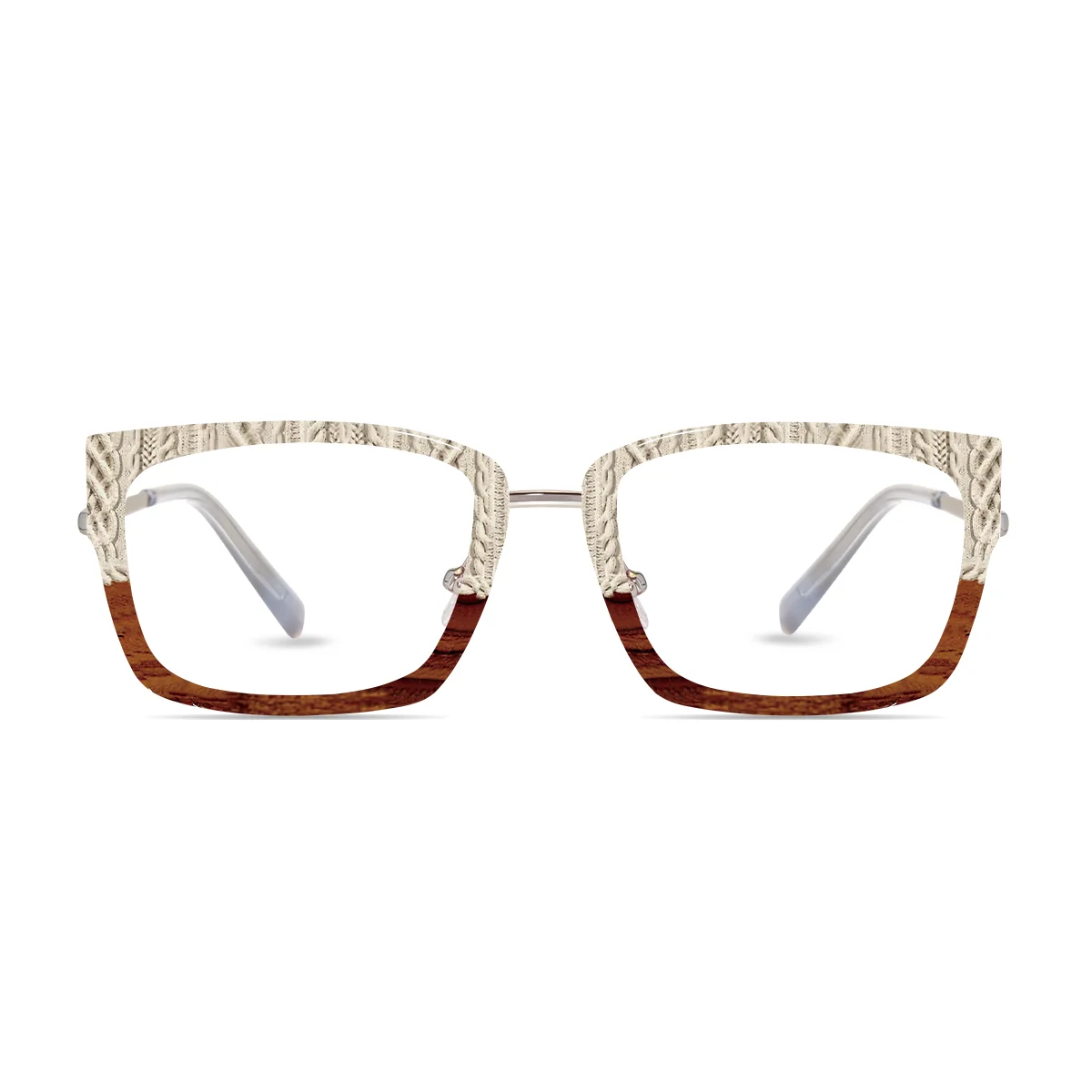
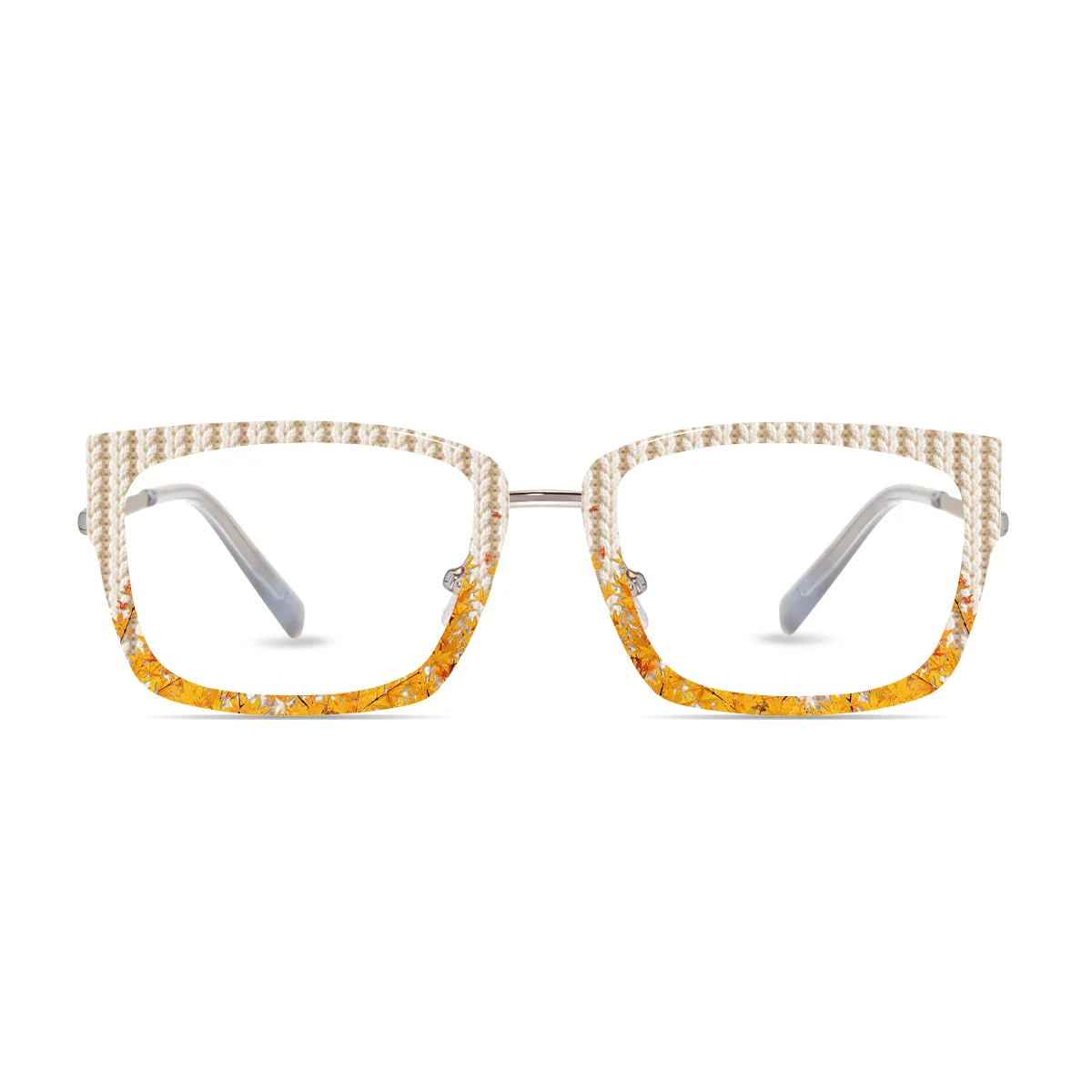
Solid Color Top Frame for Soline


Living a Multifaceted Life: How Custom Modular Eyewear Defines Your Personal Identity
Yet for years, eyewear has tried to force all these identities into one fixed frame.In a world where people change roles, moods,...
The Architecture of Presence: Why Custom Eyewear is the Secret to "Magnetic Eyes"
Walk into any home improvement store in the United States and you’ll see rows of blackout curtains promising better sleep, lower energy...
The Balance of Lightness and Strength: The Wearing Aesthetics of Mechanical Clip Eyewear
Eyewear has always lived at the intersection of function and expression. For centuries, glasses were designed primarily to correct vision, with aesthetics...
Do Long-Unused Custom Eyeglasses Need Lubrication? The Correct Way to Store and Preserve Them Long Term
Custom eyeglasses are more than everyday accessories. They are precision-built optical tools designed to match your face shape, prescription needs, and personal...
Are Pink Glasses in Style?
Pink glasses are a timeless symbol of charm and personality. They evoke feelings of compassion, love, and hope, making them a popular...
A Minimalist’s Dream, Why One Pair of Custom Glasses Is All You Need When You Travel
Minimalism isn’t about owning less for the sake of it.It’s about owning better.For travelers, that idea becomes very real the moment you...