



A Breakthrough for Allergy-Sensitive Wearers: Understanding Clip-Lock Eyewear Without Welding or Metal Plating
For millions of people, wearing glasses is a daily necessity. But for individuals with sensitive skin or metal allergies, eyewear can become an unexpected source of irritation. Red marks on the nose, itching behind the ears, or persistent skin reactions often appear after hours of wearing traditional frames. Many people blame poor fit or heavy materials, but the real cause frequently lies deeper in the frame’s construction.
Traditional eyewear manufacturing often relies on metal plating, soldered joints, and mixed materials that may contain trace elements capable of triggering skin reactions. For those with sensitivities, even small exposures over long periods can lead to discomfort.
A new generation of eyewear is addressing this challenge through clip-lock structural systems combined with weld-free, plating-free designs. These frames use precision mechanical connections rather than soldering, and they rely on carefully selected materials that avoid common allergenic coatings.
The result is a category of glasses designed to be lighter on the skin, structurally stable, and friendlier for sensitive wearers. This article explores how these frames work, why they matter for people with allergies, and how modern engineering is reshaping the relationship between comfort, durability, and material safety.
Why Traditional Glasses Can Trigger Skin Reactions
Many people are surprised to learn that eyewear can contribute to skin irritation. However, the areas where glasses touch the face — the nose bridge and the skin behind the ears — are particularly vulnerable.
These contact points experience constant pressure, heat, and moisture. When certain materials are present, the conditions become ideal for irritation.
Common triggers include:
- Nickel exposure from metal alloys
- Chemical residues from plating processes
- Soldered joints containing reactive metals
- Surface coatings that degrade over time
Even if a frame initially feels comfortable, gradual wear can expose underlying materials that interact with the skin.
For people with metal sensitivities, the result may include redness, itching, or persistent discomfort.
Understanding Metal Plating in Eyewear
Metal plating is widely used in traditional eyewear manufacturing. It involves coating a base metal with a thin decorative or protective layer using electrochemical processes.
Plating serves several purposes:
- Enhancing appearance with shiny finishes
- Improving corrosion resistance
- Increasing surface hardness
However, plating layers are extremely thin. Over time, friction, sweat, and daily wear can gradually wear them down.
When the outer layer erodes, the base metal beneath may become exposed. If that metal contains allergenic elements such as nickel, skin reactions may occur.
This is why some wearers experience irritation months after purchasing otherwise comfortable glasses.
The Hidden Role of Welding in Frame Construction
Another overlooked factor is welding or soldering during assembly. Many traditional frames are built by joining separate metal components through heat-based bonding.
For example:
- Nose pad arms are often soldered to the frame front.
- Hinges are welded onto temples.
- Decorative elements may be attached through micro-soldering.
These joints can introduce additional metals into the structure, some of which may not be present in the primary frame material.
Over time, corrosion or microscopic cracking around weld points can expose these materials to the surface.
For allergy-sensitive wearers, this becomes another potential source of irritation.
The Rise of Weld-Free Eyewear Design
Modern eyewear engineers are exploring alternative ways to assemble frames without welding.
One promising approach is mechanical clip-lock construction. Instead of permanently bonding components through heat, parts are connected through precisely engineered mechanical interfaces.
These systems rely on:
- Interlocking geometries
- Precision tolerances
- Snap-fit or locking mechanisms
By eliminating soldering processes, designers reduce the introduction of additional metals and simplify the material composition of the frame.
This shift not only benefits people with allergies but also improves overall structural reliability.
What Is a Clip-Lock Eyewear System?
A clip-lock system is a mechanical connection method that allows temples (the arms of the glasses) to attach securely to the frame front without screws or welded hinges.
The system typically includes:
- A frame-side connector cavity
- A temple-side locking component
- Alignment guides for proper positioning
- Internal retention elements that hold the parts together
Once inserted, the temple locks into place with a controlled mechanical grip. Removal usually requires a deliberate action such as pressing or sliding a release point.
This design replaces both screws and soldered hinge assemblies.
Benefits of Eliminating Metal Plating
When frames avoid metal plating altogether, they remove one of the most common sources of allergic reactions.
Advantages of plating-free surfaces include:
Reduced Chemical Exposure
Without electroplated coatings, wearers avoid contact with potential chemical residues used in plating processes.
Stable Surface Composition
The material touching the skin remains consistent over time instead of changing as coatings wear away.
Improved Longevity
There is no thin outer layer that can peel, chip, or fade.
This stability helps maintain comfort for sensitive wearers over long periods.
Material Choices in Allergy-Friendly Eyewear
Frames designed for sensitive users often rely on carefully selected materials that minimize skin reactions.
High-Grade Polymers
Advanced plastics can provide excellent strength while remaining inert against the skin. These materials are lightweight, corrosion-resistant, and free from metal allergens.
Titanium Variants
Certain forms of titanium are known for their biocompatibility and resistance to corrosion. When used without plating or mixed alloys, they are widely tolerated by sensitive users.
Stainless Steel Alternatives
Some stainless steel formulations reduce nickel release and maintain stability even under prolonged exposure to sweat.
Material purity and processing quality play a major role in determining whether a frame remains comfortable for sensitive skin.
The Comfort Advantage of Clip-Lock Frames
Mechanical clip systems contribute to comfort in ways that go beyond allergy prevention.
Because the connection mechanism distributes stress across a larger surface area, the frame experiences less localized pressure during movement. This helps maintain stable alignment and reduces micro-adjustments that could irritate the skin.
In addition, many clip-lock frames eliminate bulky hinge plates, resulting in smoother contact surfaces near the temples.
The overall wearing experience becomes lighter and more balanced.
Fewer Components, Fewer Risks
Traditional frames often include numerous small parts:
- Screws
- Washers
- Welded hinge plates
- Decorative inserts
Each additional component introduces another material that might contact the skin or degrade over time.
Clip-lock systems simplify the structure by reducing part count. With fewer components involved, there are fewer potential sources of irritation.
This simplicity also makes the frames easier to maintain.
Maintenance Advantages for Sensitive Wearers
People with skin sensitivities often need to clean their glasses frequently to remove sweat and oils.
Clip-lock eyewear makes maintenance easier because the temples can be detached for thorough cleaning.
Users can:
- Rinse frame parts individually
- Clean connection areas more effectively
- Replace worn components without discarding the entire frame
These features help maintain a hygienic wearing environment.
Lightweight Design and Skin Health
Weight plays an important role in preventing irritation. Heavy frames create pressure points that trap heat and moisture, increasing the likelihood of skin reactions.
Because clip-lock systems remove traditional hinge hardware, designers can reduce overall frame mass.
Lightweight frames provide several advantages:
- Reduced pressure on the nose bridge
- Less friction behind the ears
- Improved airflow around contact areas
These factors contribute to a more comfortable wearing experience for sensitive individuals.
The Aesthetic Appeal of Minimal Hardware
Removing welded hinges and visible screws also changes how glasses look.
Clip-lock eyewear often features:
- Smooth frame edges
- Continuous design lines
- Subtle connection points
This minimalist appearance reflects modern design trends that prioritize clean forms and refined details.
For many wearers, the visual simplicity reinforces the sense of comfort and sophistication.
Durability Without Soldered Weak Points
Welded joints can sometimes become structural weak spots, especially after repeated stress cycles.
Mechanical clip systems address this issue by relying on precision-fit components rather than heat-bonded joints.
Benefits include:
- Improved resistance to cracking near hinges
- Better stress distribution during folding
- Consistent performance over time
As a result, the frames remain reliable even with frequent use.
Sustainability Benefits of Modular Frames
Clip-lock eyewear often supports modular design. When a temple becomes damaged, it can be replaced individually rather than discarding the entire frame.
This approach reduces material waste and extends the lifespan of the product.
Sustainability advantages include:
- Lower resource consumption
- Fewer discarded frames
- Longer product life cycles
For environmentally conscious consumers, this design philosophy adds another layer of appeal.
Who Benefits Most From Allergy-Friendly Frames
While anyone can appreciate comfortable glasses, certain groups benefit especially from weld-free and plating-free designs.
These include:
- People with metal sensitivities
- Individuals who wear glasses all day
- Users living in humid climates
- Athletes exposed to frequent sweat
In each case, minimizing reactive materials helps maintain skin comfort.
Choosing the Right Clip-Lock Eyewear
When selecting allergy-friendly glasses, consider several factors beyond appearance.
Material Transparency
Look for frames that clearly specify their materials and construction methods.
Surface Finish
Smooth, consistent surfaces are less likely to trap irritants.
Structural Stability
The clip mechanism should feel secure while remaining easy to operate.
Weight and Balance
Well-balanced frames distribute pressure evenly across contact points.
Testing the fit in person can help confirm whether a frame suits your comfort needs.
Caring for Weld-Free Frames
Although these frames require less maintenance than traditional designs, proper care helps preserve their performance.
Recommended habits include:
- Cleaning the frame regularly with mild soap and water
- Avoiding harsh chemicals that may affect surface finishes
- Storing glasses in protective cases when not in use
- Checking connection points periodically for debris
With basic care, clip-lock frames can remain comfortable and functional for years.
The Future of Allergy-Conscious Eyewear
As awareness of material sensitivities grows, eyewear manufacturers are investing more effort in developing skin-friendly designs.
Future innovations may include:
- New hypoallergenic composite materials
- Improved modular connection systems
- Advanced coatings that enhance durability without triggering reactions
- Smart design features that adjust to individual facial structures
These developments suggest that the eyewear industry will continue moving toward safer, more adaptable products.
Conclusion: A More Comfortable Vision of Eyewear
For people with sensitive skin or metal allergies, finding comfortable glasses can feel like a constant challenge. Traditional frames often introduce hidden irritants through plating layers, soldered joints, and mixed metal components.
Clip-lock eyewear built without welding or metal plating offers a promising alternative. By combining mechanical connection systems with carefully selected materials, these frames reduce exposure to common allergens while maintaining durability and style.
Beyond their allergy-friendly construction, these glasses also deliver advantages in weight, maintenance, and modularity. The result is eyewear that supports both physical comfort and modern design aesthetics.
As technology and materials continue to advance, this approach represents an important step toward eyewear that truly adapts to the needs of every wearer — offering clear vision without compromise.

Share this post


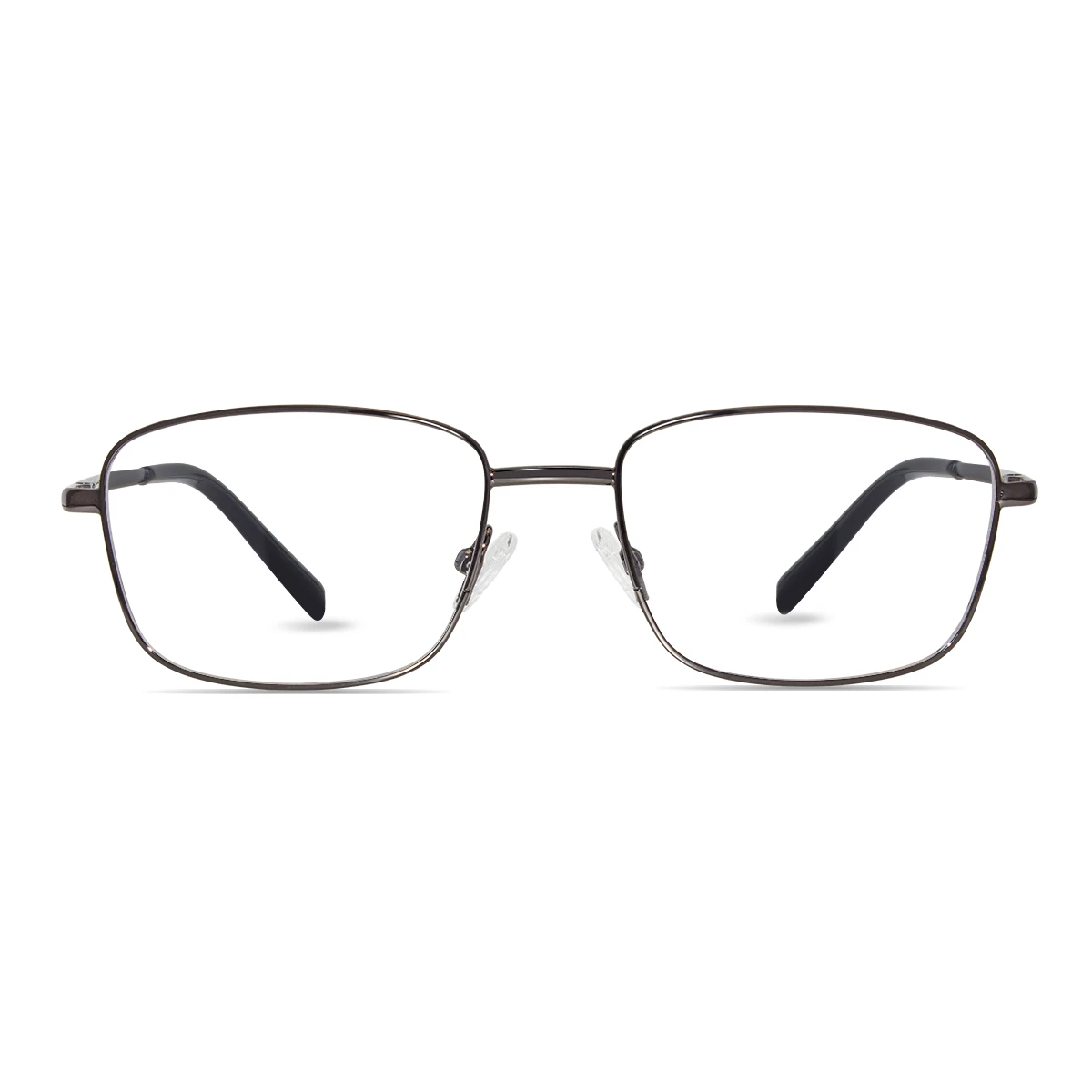

Soline Gunmetal Gray Base Frame - Wide Rectangle
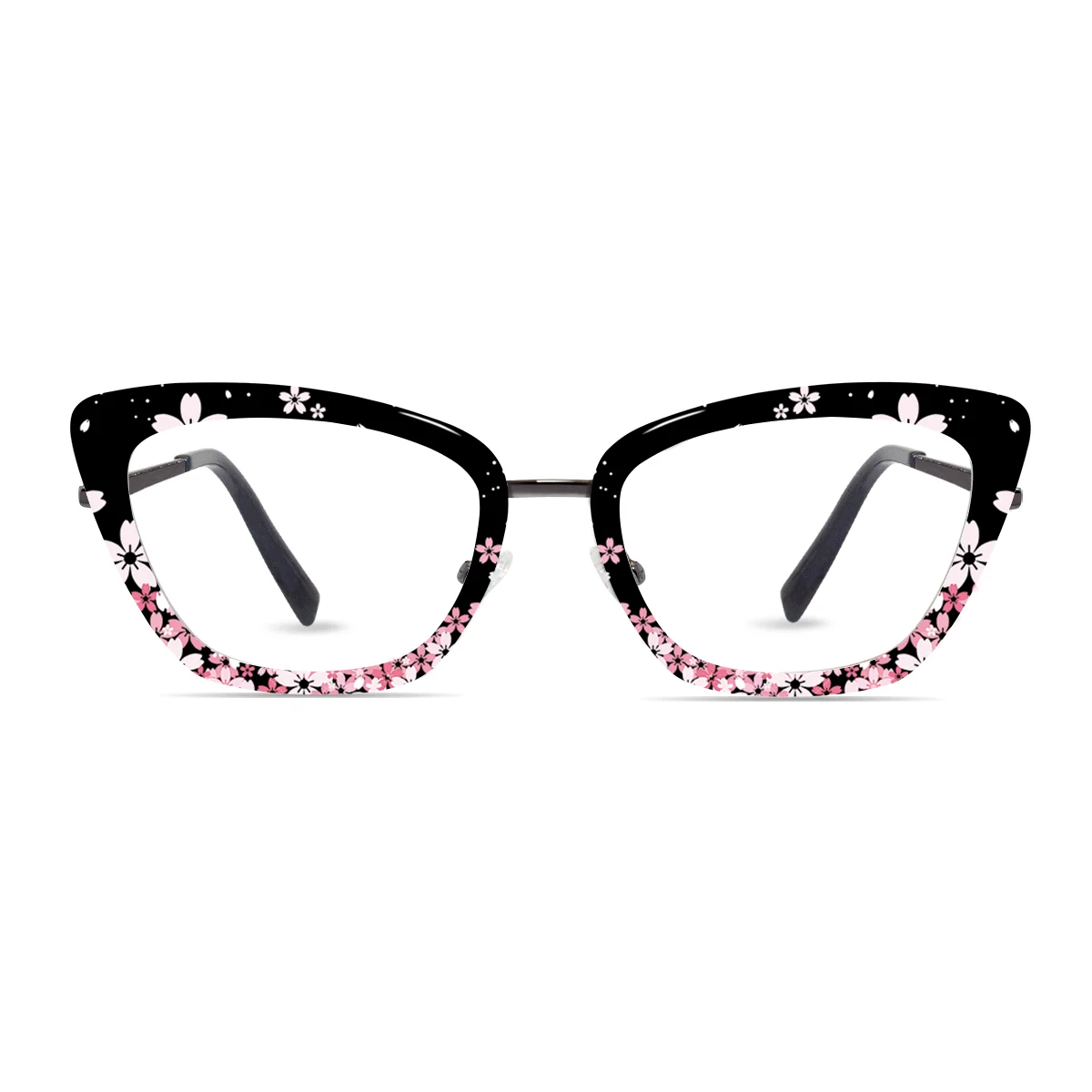


Mira Metallic Silver Cat Eye Base Frame


Mira Rose Gold Cat Eye Base Frame


Living a Multifaceted Life: How Custom Modular Eyewear Defines Your Personal Identity
Yet for years, eyewear has tried to force all these identities into one fixed frame.In a world where people change roles, moods,...
The Secret Weapon for Sculpting Your Face: How to Customize Eyewear Based on Your Cheekbones and Brow Shape
When it comes to elevating your appearance, most people think about hairstyles, makeup, or wardrobe upgrades. But there’s one transformative accessory that...
How Mechanical Clip Systems Make Quick Temple Replacement Possible: The Future of Modular Eyewear Design
Eyewear has evolved far beyond simple vision correction. Today, glasses are fashion statements, performance tools, and everyday essentials that must adapt to...
Are Pink Glasses in Style?
Pink glasses are a timeless symbol of charm and personality. They evoke feelings of compassion, love, and hope, making them a popular...
One-Second Color Switch
How to Match Your Glasses Frame to Today’s Outfit—EffortlesslyLet’s be honest.You don’t wear the same outfit every day.Some days it’s clean and...
“Five O’Clock Headache”: Could Custom Eyewear Be the Cure for Your Daily Fatigue?
Around 4:30 p.m., your focus softens. By 5:00 p.m., there’s a dull pressure behind your eyes. Your temples tighten. The screen feels...