



Micron-Level Precision: How 3D Cranial Modeling Creates the Feeling of “Invisible” Wear
There is a moment many people experience when trying truly well-designed wearable products for the first time — glasses that seem to disappear, headphones that feel weightless, helmets that never create pressure points, or medical wearables that can be worn all day without awareness.
Users often describe this sensation as an “invisible wearing experience.”
Nothing actually becomes invisible, of course. The object remains physically present. Yet the brain stops noticing it.
This phenomenon is not accidental. It is the result of a quiet revolution in design driven by micron-level measurement and 3D cranial modeling — technologies originally developed for medical reconstruction and now transforming consumer wearables, especially custom eyewear.
By mapping the human skull with extraordinary precision, designers can align products with anatomy instead of forcing anatomy to adapt to products. The difference is subtle but profound: pressure disappears, balance improves, and the wearer experiences comfort so natural it fades from conscious awareness.
This article explores how 3D cranial modeling works, why micrometer accuracy matters, and how advanced customization creates wearables that feel almost nonexistent.
The Problem Traditional Wearables Never Solved
For decades, wearable products followed standardized sizing systems.
Eyeglasses came in small, medium, or large. Helmets used adjustable straps. Headphones relied on padding to compensate for variation.
These solutions worked reasonably well, but they shared one limitation:
They treated human anatomy as statistically average.
In reality, no two skulls are identical.
Differences exist in:
- temple angle
- ear height
- nasal bridge structure
- cranial curvature
- facial asymmetry
- head posture
Even millimeter-level mismatches create uneven pressure distribution.
Over time, the brain registers these mismatches as discomfort.
Traditional design attempted to soften the problem with cushioning. Modern design eliminates the mismatch itself.
Understanding the Human Skull as a Dynamic Structure
The skull is often imagined as rigid and symmetrical, but from an ergonomic perspective it is highly complex.
Key characteristics include:
- subtle asymmetry between left and right sides
- curved surfaces rather than flat planes
- varying bone density affecting pressure sensitivity
- interaction with muscles and skin movement
Wearable devices contact multiple regions simultaneously. If even one contact point is misaligned, the entire balance changes.
The goal of advanced fitting is not tightness but equilibrium.
When equilibrium exists, weight distributes evenly and sensory awareness decreases dramatically.
What “Micron-Level Precision” Actually Means
A micron (micrometer) equals one-thousandth of a millimeter.
Human skin can detect pressure differences far smaller than most people realize. Research shows that sensory receptors respond to extremely small variations in force distribution.
While a one-millimeter misalignment may seem insignificant visually, biomechanically it can shift pressure concentration enough to cause fatigue after extended wear.
Micron-level modeling allows designers to adjust:
- curvature matching
- contact angles
- load distribution
- alignment relative to eye position
These refinements transform comfort from acceptable to effortless.
The Evolution of 3D Cranial Modeling
The technology originated in medical fields such as:
- craniofacial surgery planning
- prosthetics design
- orthodontics
- neurological imaging
Medical professionals required precise digital replicas of skull structures to create implants and corrective devices.
As scanning technologies became faster and more affordable, similar techniques entered consumer product design.
Today, advanced scanning systems capture thousands of data points across the head in seconds.
How 3D Cranial Scanning Works
Modern cranial modeling typically uses structured light or multi-camera photogrammetry.
The process involves:
- Projecting patterned light onto the face and head.
- Recording distortion patterns from multiple angles.
- Converting data into a 3D digital mesh.
- Mapping anatomical landmarks.
The result is a high-resolution model representing surface geometry with remarkable accuracy.
Unlike manual measurements, digital scans capture curvature continuously rather than at isolated points.
Why Traditional Measurements Fall Short
Classic eyewear fitting measures:
- pupillary distance
- frame width
- bridge size
While helpful, these measurements ignore complex spatial relationships.
For example:
Two people with identical pupillary distance may have completely different temple angles or ear positioning.
3D modeling captures the entire structural context rather than isolated dimensions.
Pressure Distribution: The Hidden Science of Comfort
Comfort depends less on weight and more on pressure distribution.
Consider a heavy backpack properly balanced versus a lighter bag pulling on one shoulder.
The balanced load feels easier to carry.
Wearables follow the same principle.
3D cranial modeling enables designers to spread force across larger anatomical areas, reducing pressure hotspots.
This reduces activation of nerve receptors responsible for discomfort signals.
Why the Brain Stops Noticing Perfect Fit
The human brain constantly filters sensory information.
When a stimulus remains stable and non-threatening, the brain deprioritizes it.
This process, called sensory adaptation, explains why people stop noticing background sounds or clothing contact.
Perfectly fitted wearables trigger this adaptation faster because they create minimal variation in pressure.
The object effectively disappears from conscious awareness.
Custom Eyewear as a Case Study
Eyewear provides one of the clearest examples of cranial modeling benefits.
Glasses interact with three primary contact zones:
- nose bridge
- temples
- ears
Misalignment in any zone affects visual stability and comfort.
3D modeling allows precise adjustment of:
- frame tilt
- wrap angle
- optical center alignment
- temple curvature
These changes improve both comfort and visual performance.
Optical Alignment and Visual Relaxation
Improper alignment forces eye muscles to compensate continuously.
Symptoms include:
- eye fatigue
- headaches
- shifting frames
- blurred perception after long wear
When lenses align perfectly with natural gaze direction, visual effort decreases.
Relaxed eye muscles contribute to the perception that glasses feel lighter or invisible.
The Role of Asymmetry in Personalized Design
Human faces are rarely symmetrical.
One ear may sit slightly higher. One cheekbone may project more prominently.
Standard frames ignore asymmetry, forcing adjustments through bending or padding.
3D cranial modeling incorporates asymmetry intentionally.
Instead of correcting the wearer, the product adapts to the wearer.
This philosophy represents a fundamental shift in design thinking.
Material Engineering Meets Digital Modeling
Precision modeling works best alongside advanced materials.
Modern custom wearables use:
- memory metals
- flexible polymers
- lightweight composites
- adaptive hinges
These materials maintain precise geometry while accommodating natural movement.
Micron-level accuracy ensures materials flex predictably rather than randomly.
Weight Perception vs. Actual Weight
Interestingly, perceived weight often differs from measured weight.
A heavier object balanced correctly may feel lighter than a lighter object poorly balanced.
3D cranial modeling improves perceived lightness by aligning mass with anatomical support zones.
Users interpret balanced force as reduced weight.
Motion Dynamics: Designing for Movement
The head constantly moves — turning, nodding, tilting.
Traditional designs optimize for static positioning.
Advanced modeling analyzes dynamic behavior:
- walking motion
- head rotation
- facial muscle activity
Designers simulate movement digitally to ensure stability during real-world use.
This prevents slipping and micro-adjustments that cause irritation.
Thermal Comfort and Airflow
Precision fitting also affects temperature perception.
Poorly fitted wearables trap heat unevenly.
Customized spacing allows controlled airflow, reducing moisture buildup and skin irritation.
Even slight airflow improvements enhance long-term comfort.
Psychological Effects of Invisible Wear
When wearables disappear from awareness, users experience psychological benefits:
- reduced distraction
- improved concentration
- stronger confidence
- natural posture
Comfort influences behavior more than aesthetics alone.
Users engage more naturally with their environment when they are not adjusting or noticing what they wear.
Applications Beyond Eyewear
3D cranial modeling is transforming many industries:
- virtual reality headsets
- hearing devices
- protective helmets
- medical monitoring wearables
- augmented reality systems
As devices become more integrated into daily life, precision fit becomes increasingly important.
Manufacturing Revolution: From Mass Production to Mass Personalization
Digital modeling enables scalable customization.
Instead of producing identical products, manufacturers generate individualized designs from shared production systems.
Automation converts scan data into manufacturing instructions, allowing personalization without traditional handcrafted limitations.
This shift represents one of the biggest changes in product design since industrial manufacturing began.
Why Micron Precision Matters More Than Ever
Modern lifestyles involve longer wearable use:
- remote work screens
- extended device interaction
- immersive digital environments
Small ergonomic imperfections accumulate over hours.
Micron-level refinement prevents fatigue before it begins.
The Future: Adaptive and Intelligent Wearables
Emerging technologies aim to create wearables that adjust dynamically.
Future systems may incorporate:
- pressure sensors
- adaptive materials
- real-time posture feedback
- AI-driven fit optimization
3D cranial modeling forms the foundation for these innovations.
Choosing Products Designed with Cranial Modeling
Indicators of advanced fitting include:
- digital facial scanning
- individualized frame geometry
- personalized optical alignment
- ergonomic consultation
True customization involves structural redesign rather than simple size selection.
The Philosophy Behind Invisible Design
The highest achievement in design is often invisibility.
When a product performs perfectly, attention shifts away from the object and toward experience itself.
Architecture achieves this when spaces feel natural rather than imposed.
Wearable design achieves it when comfort becomes unconscious.
Micron-level precision enables this transformation.
Final Thoughts: When Technology Disappears Into Experience
The feeling of “invisible” wear is not magic, luxury marketing, or subjective imagination.
It is the outcome of precise measurement, anatomical understanding, and thoughtful engineering.
By mapping the human skull with extraordinary detail, 3D cranial modeling aligns products with biology rather than forcing compromise.
Pressure evens out. Movement stabilizes. Vision relaxes. Awareness fades.
The wearable remains physically present, yet perceptually absent.
And in that disappearance lies the ultimate goal of modern design — technology that supports human experience so seamlessly that it no longer feels like technology at all.
Invisible wear is not about removing objects from the body.
It is about designing them so perfectly that the body welcomes them as its own extension.
Share this post


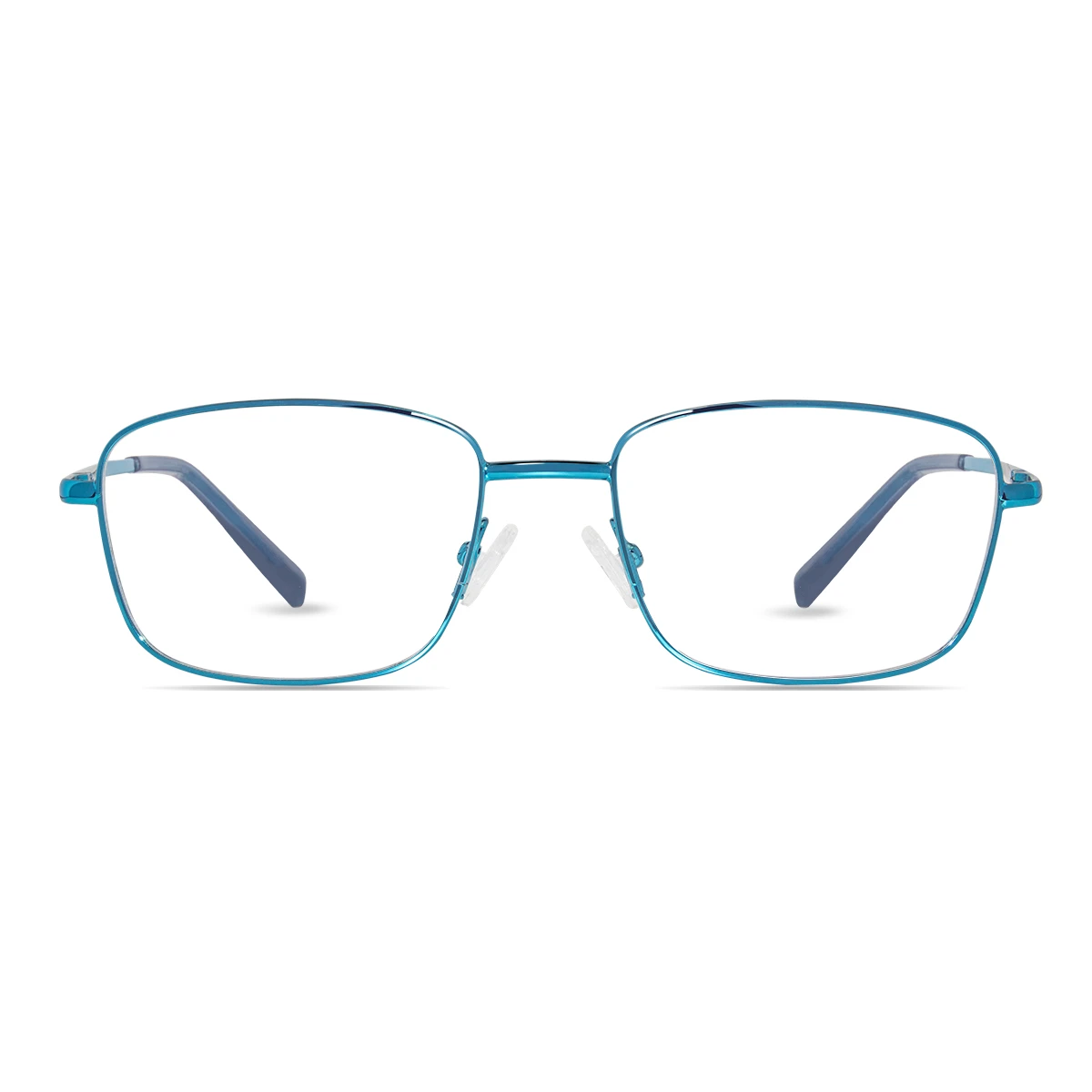
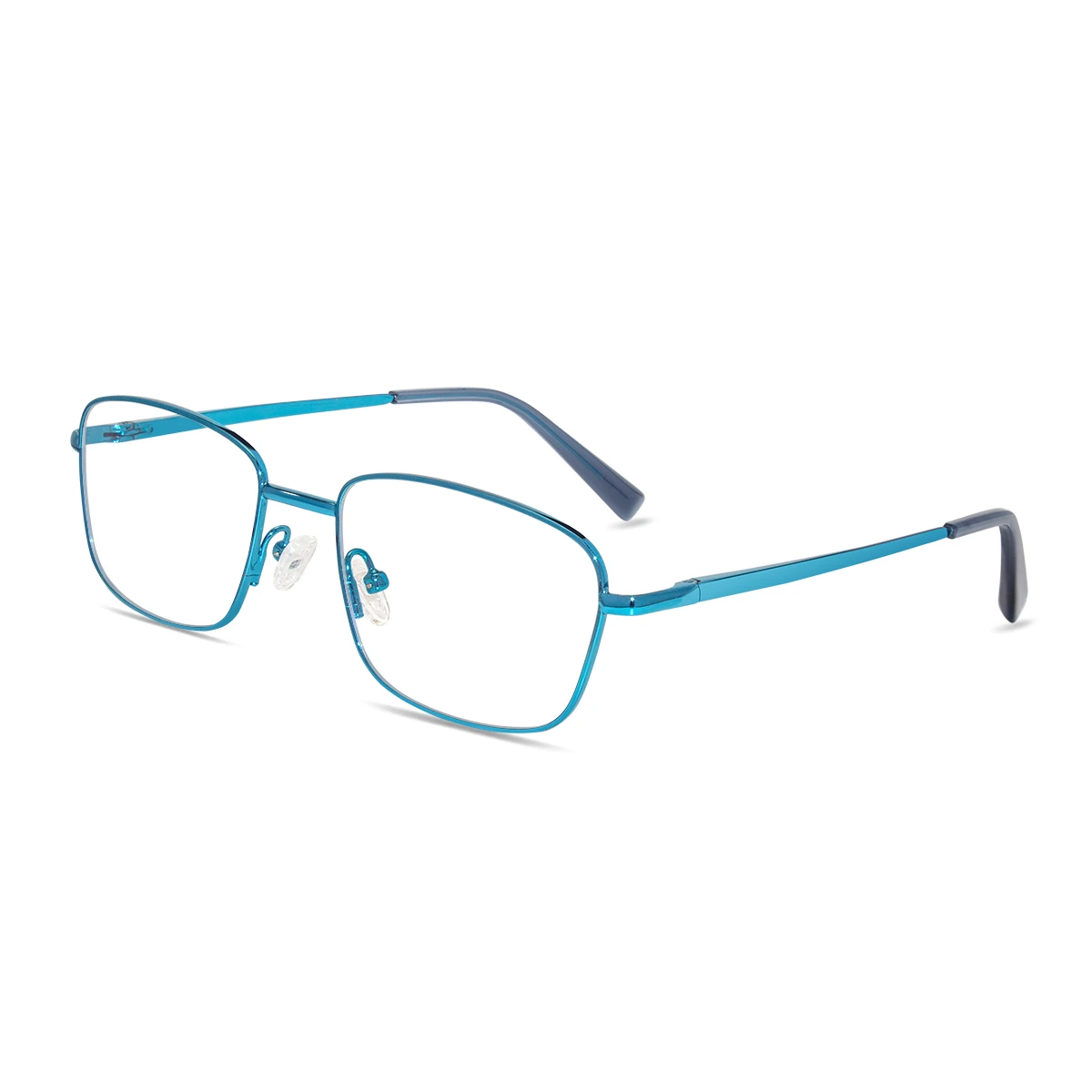
Soline Ice Blue Base Frame - Wide Rectangle




No Slipping During Workouts, Polished in Meetings
The Hidden Tech Behind Interchangeable Eyeglass TemplesLet’s start with a familiar frustration.You’re wearing glasses.At your desk, they look sharp.In meetings, they feel...
Magnetic vs Clip-On Modular Glasses
Which Structure Actually Lasts Longer Over Time?Modular glasses are no longer a novelty.They’ve moved past the “cool idea” phase and into real-world...
Minimalist Aesthetics: Exploring the Precision Craftsmanship Behind Mechanical Snap-Fit Eyewear
Minimalism is often misunderstood as simplicity. In reality, true minimalism represents one of the most demanding forms of design. Removing elements does...