



Buy One, Get Five? Are Interchangeable Combo Glasses a Smart Investment—or Just a Marketing Gimmick?
If you’ve ever browsed online eyewear stores or social media ads, you’ve probably seen this pitch. A single pair of glasses, combined with multiple interchangeable top frames or magnetic overlays, promises to replace several traditional pairs at a fraction of the cost.
For some people, it sounds brilliant.
For others, it sounds like a classic “too good to be true” gimmick.
So what’s the truth?
Are combo glasses—also known as interchangeable-frame glasses—actually practical and cost-effective? Or are they just another example of clever marketing dressed up as innovation?
In this article, we’ll break down how combo glasses really work, who they’re designed for, where they shine, where they fall short, and whether they’re worth your money—without hype, without brand bias, and without exaggeration.
1. What Are Combo Glasses, Really?
1.1 The Basic Concept
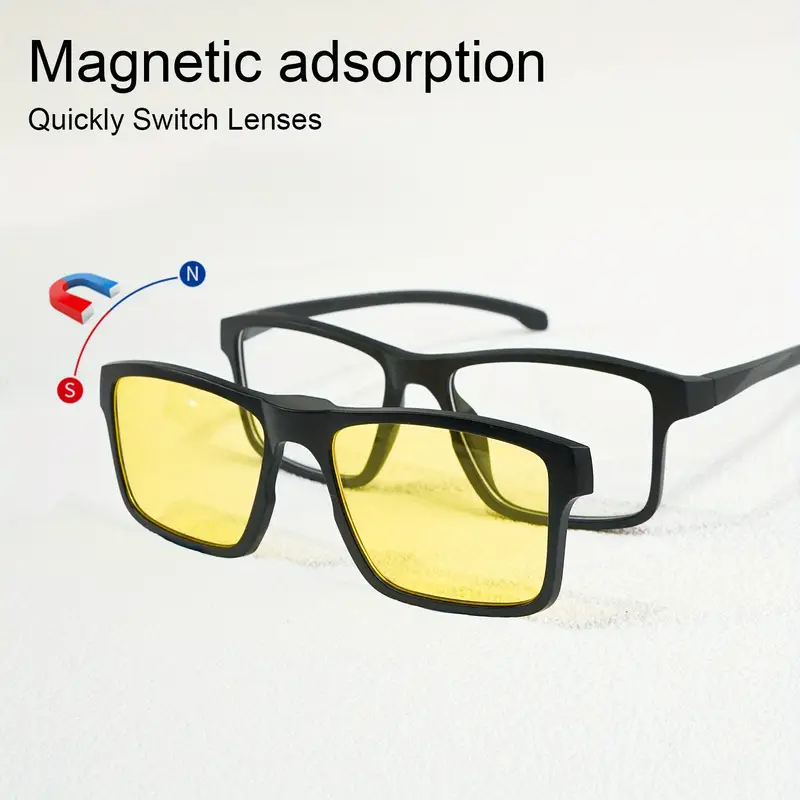
Combo glasses typically consist of:
- One base optical frame (with prescription lenses)
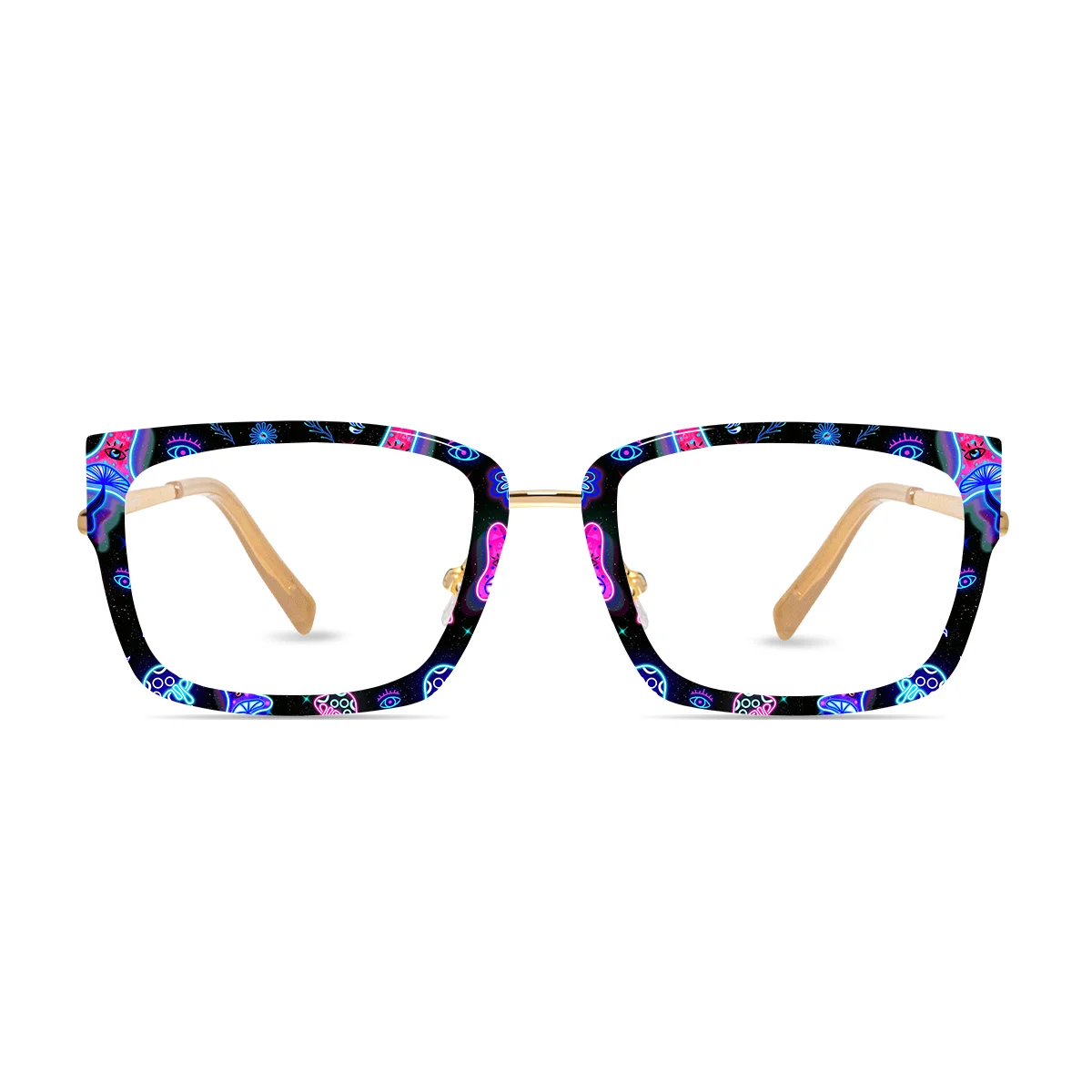
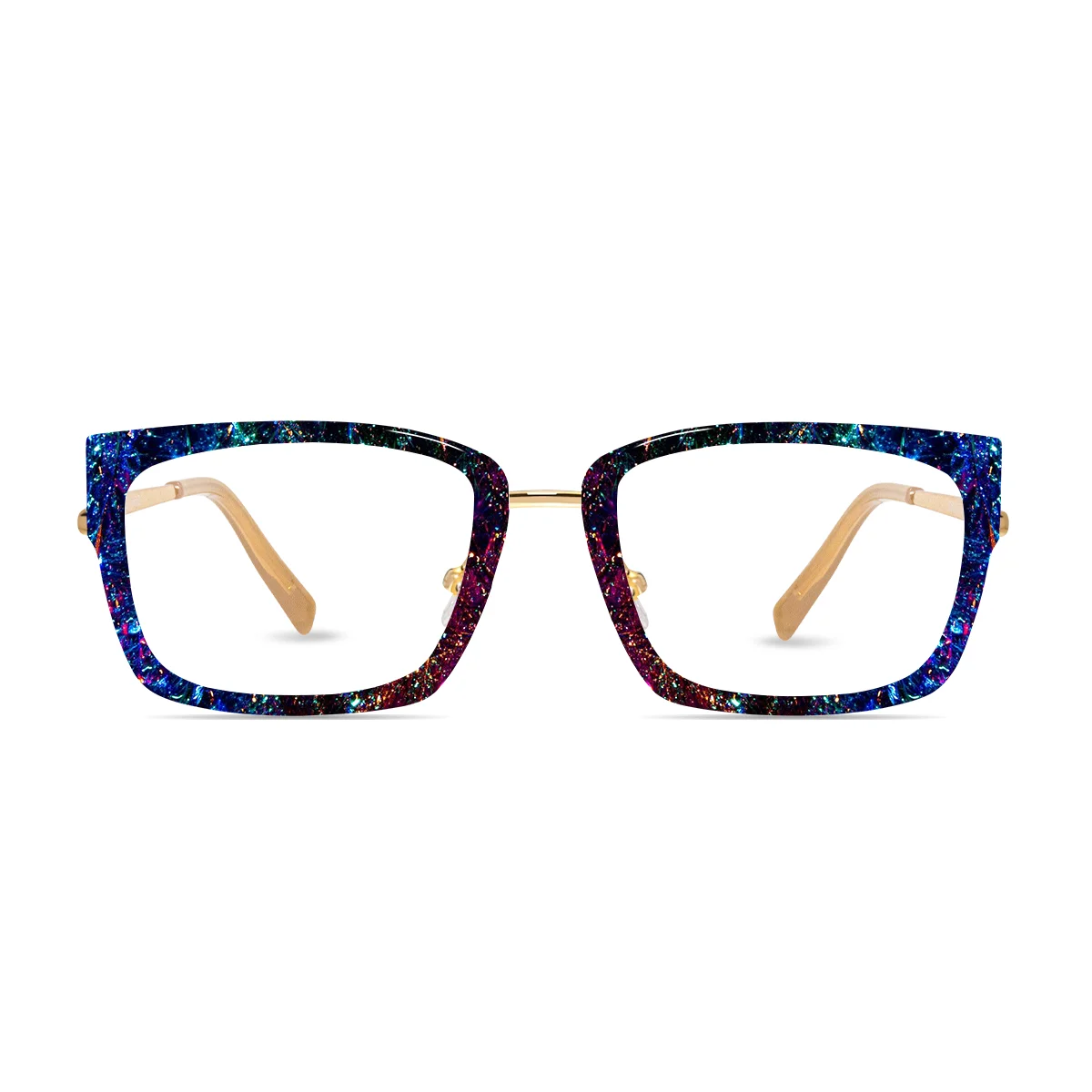
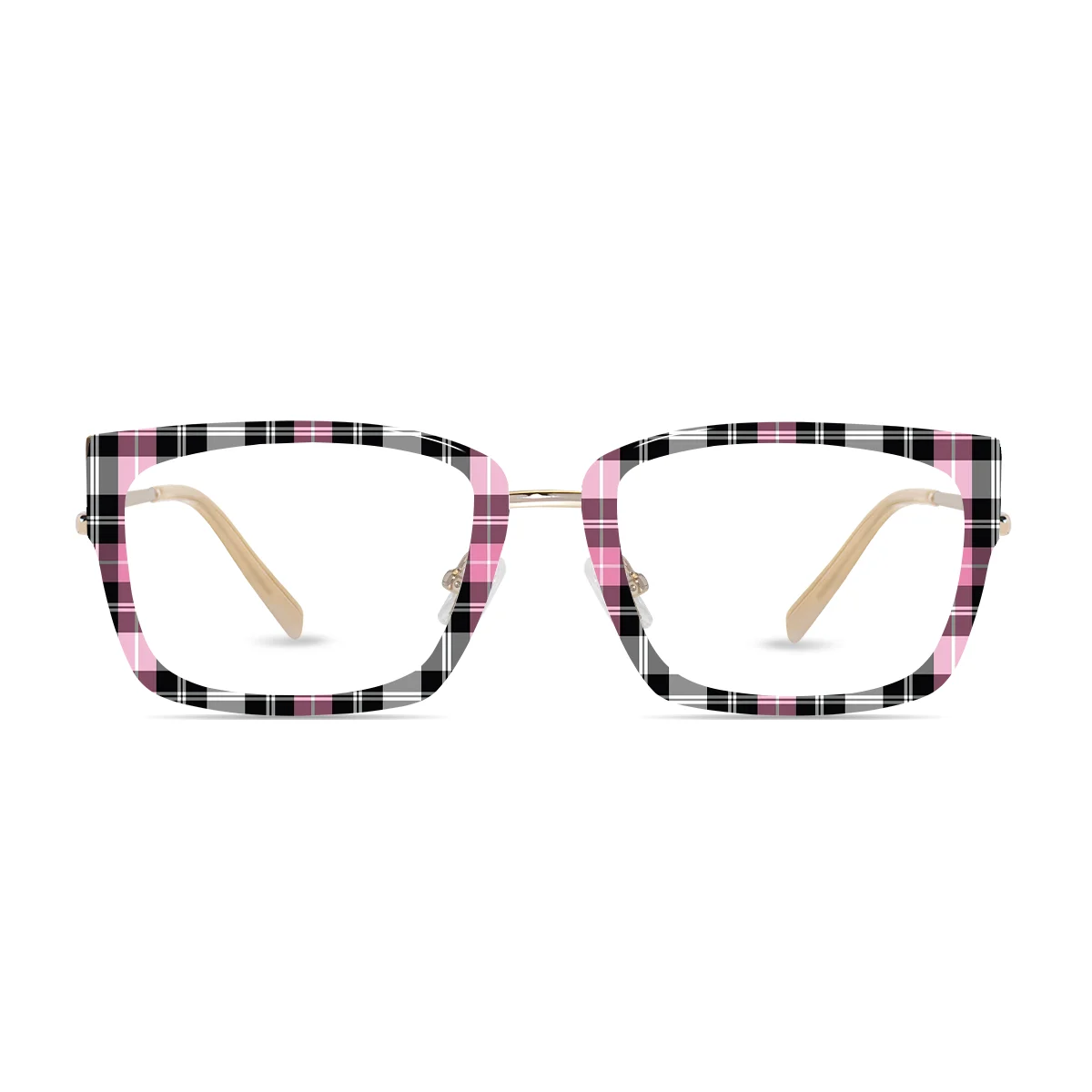
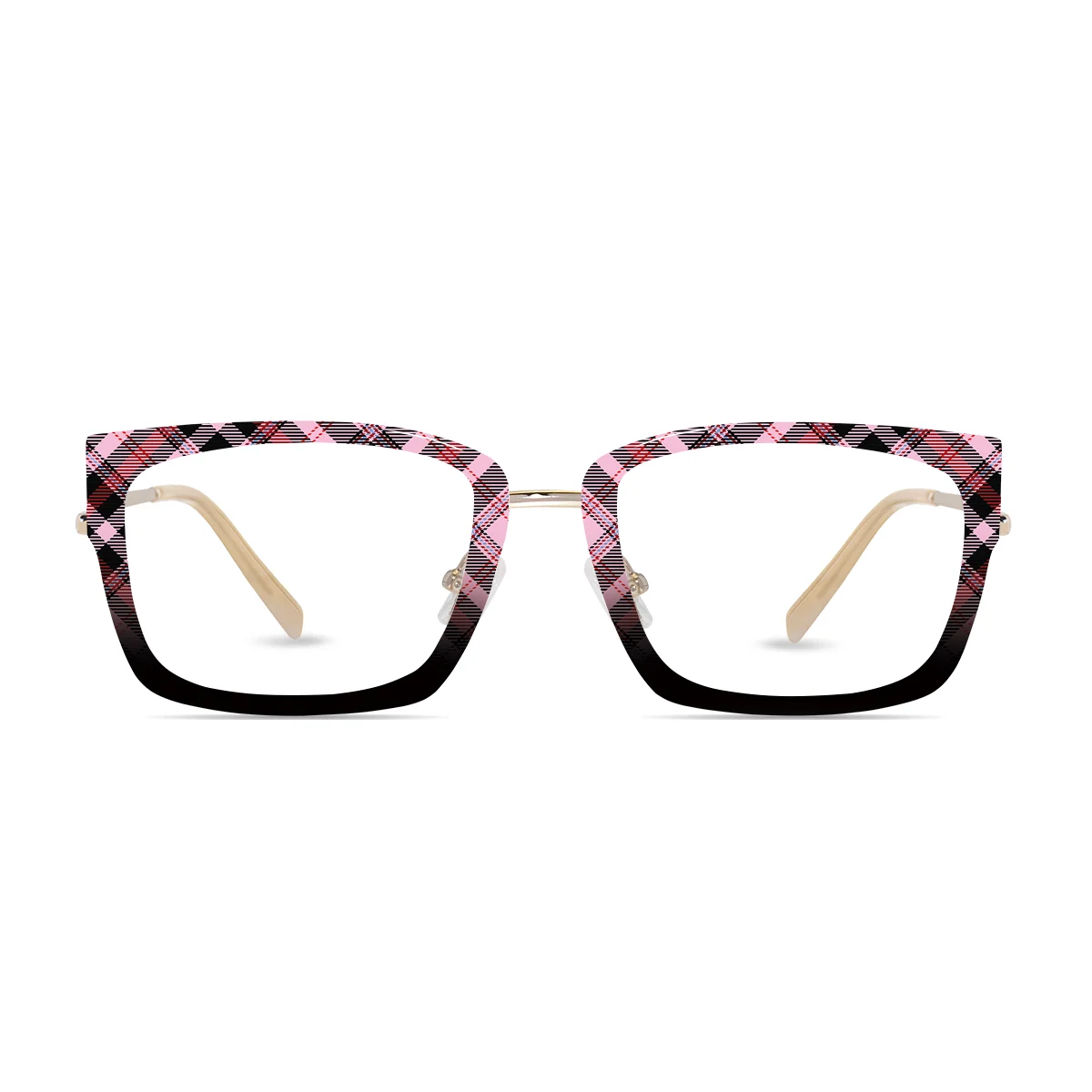
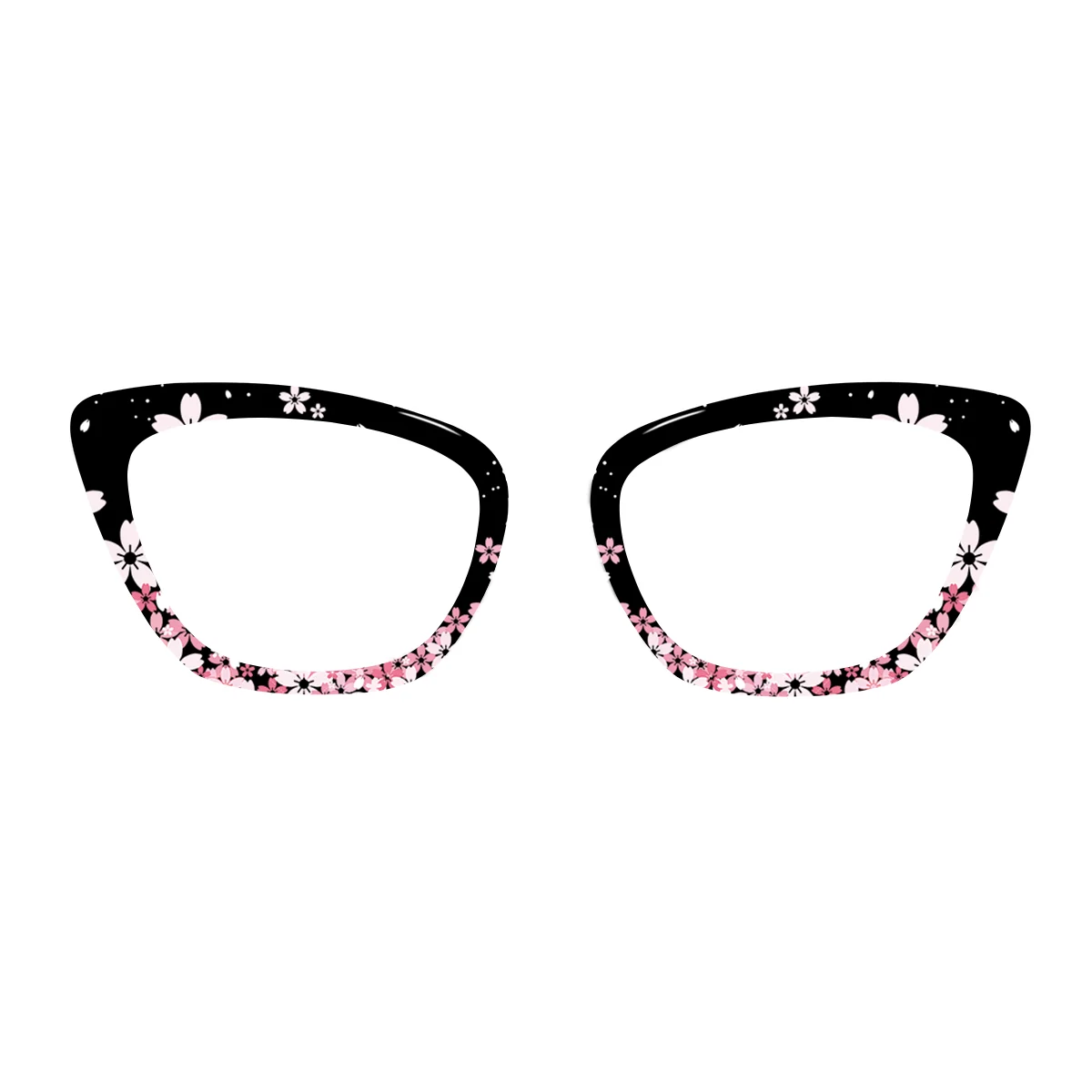
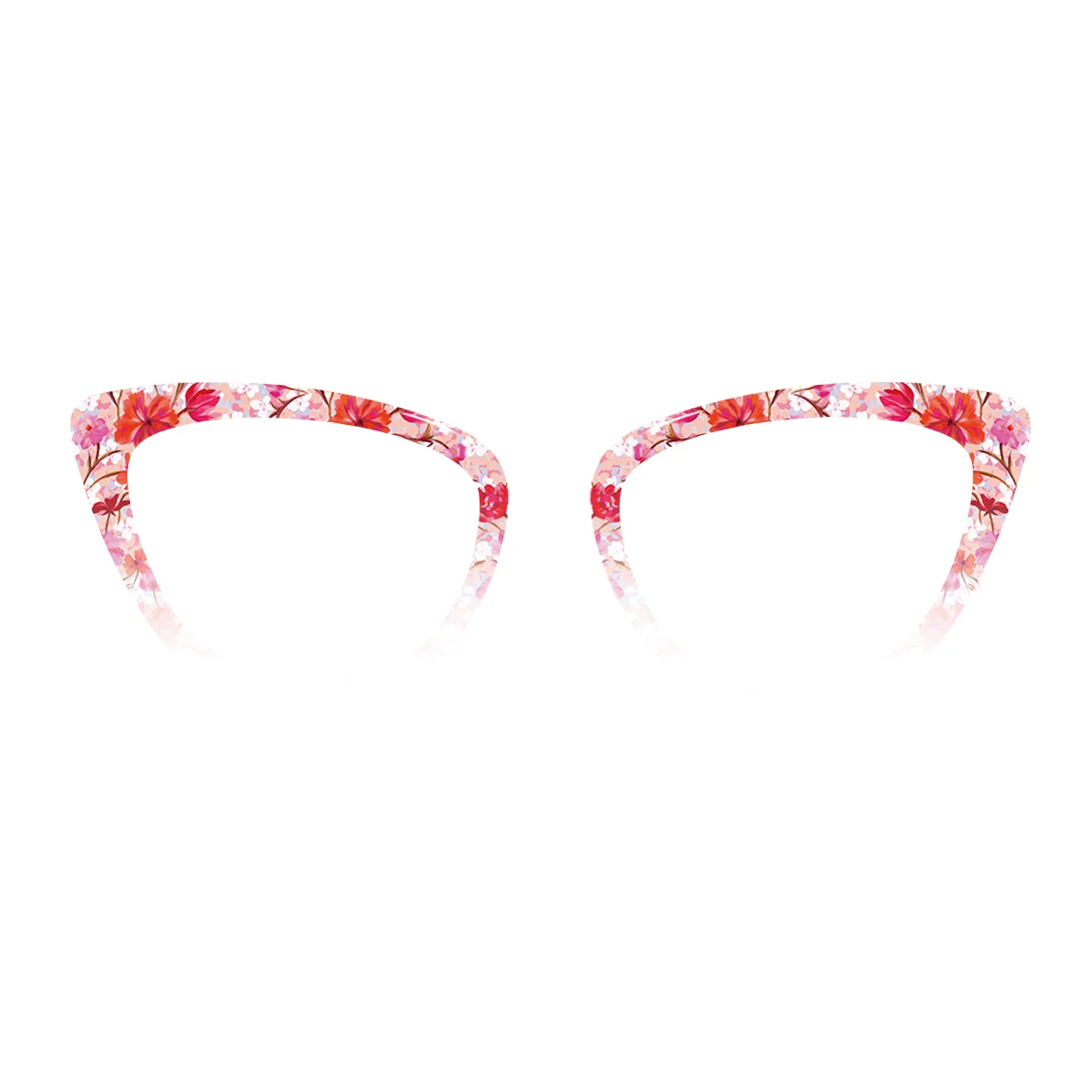
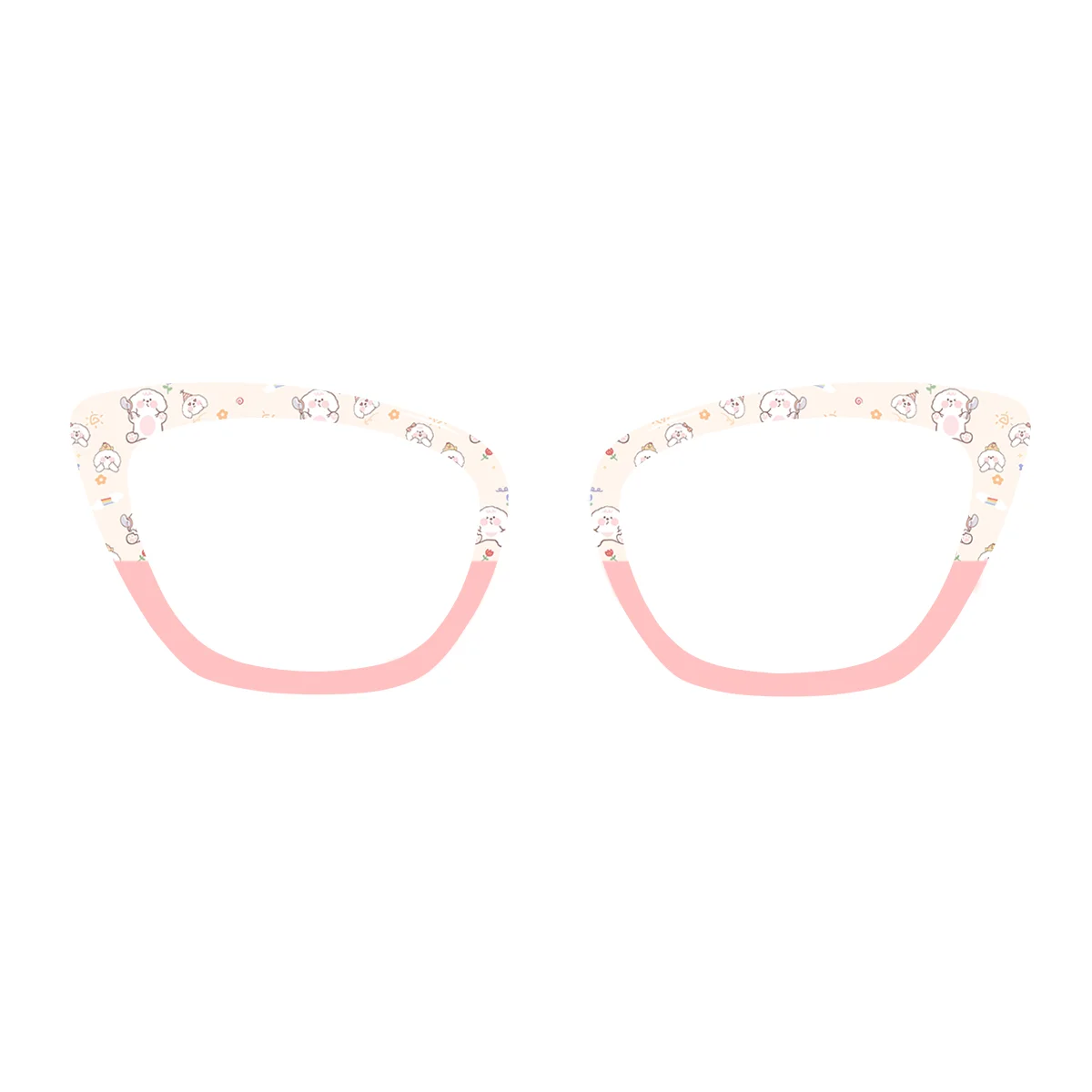
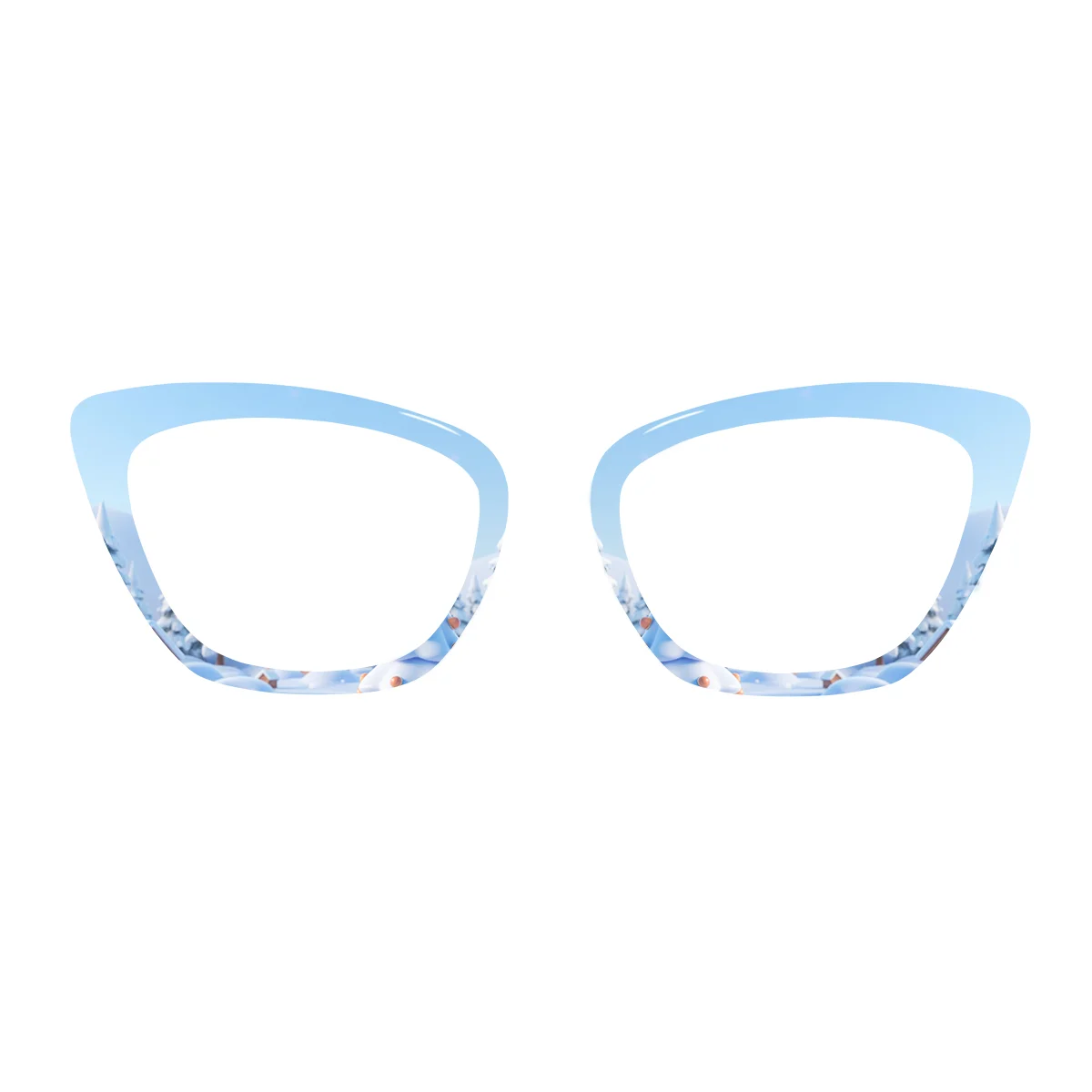
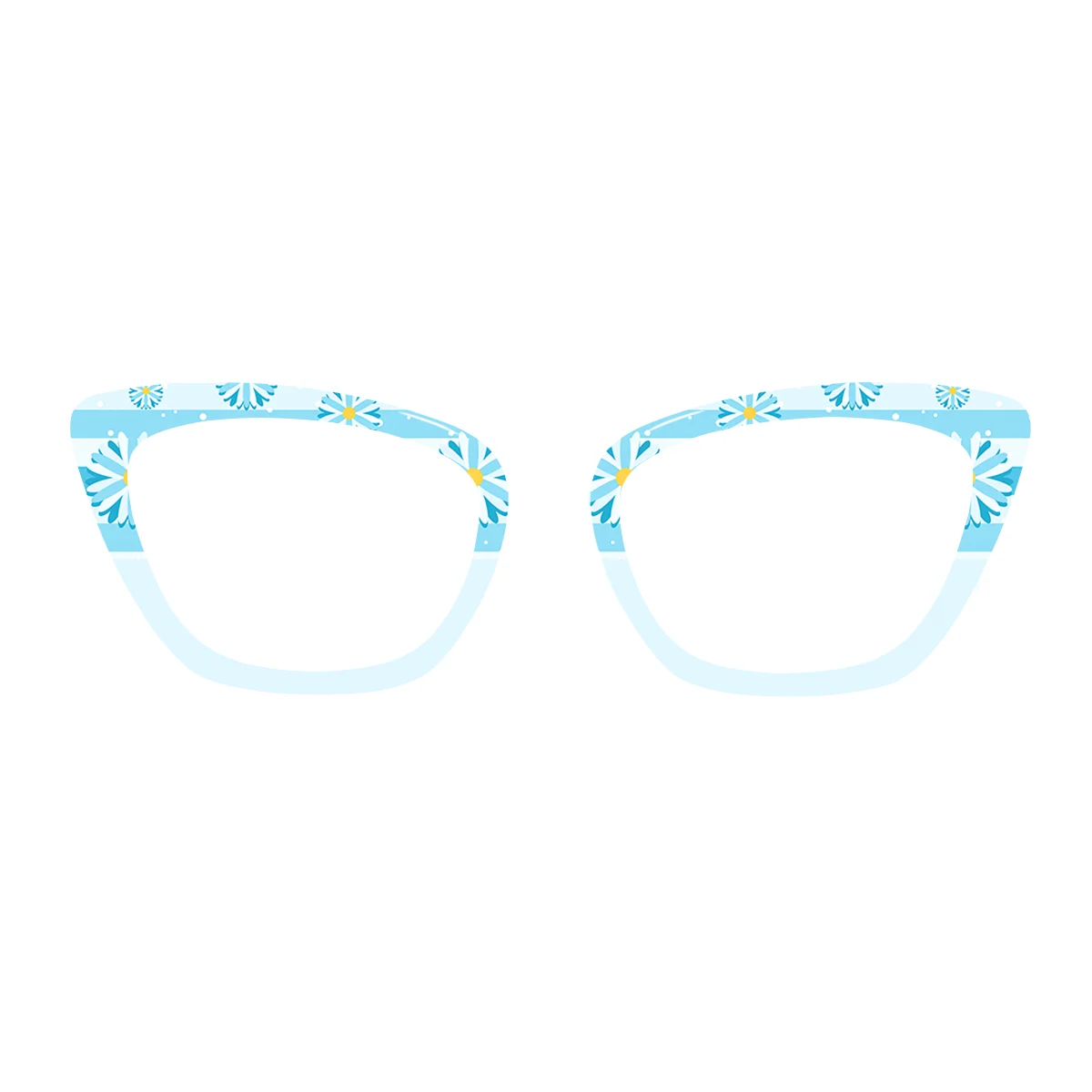
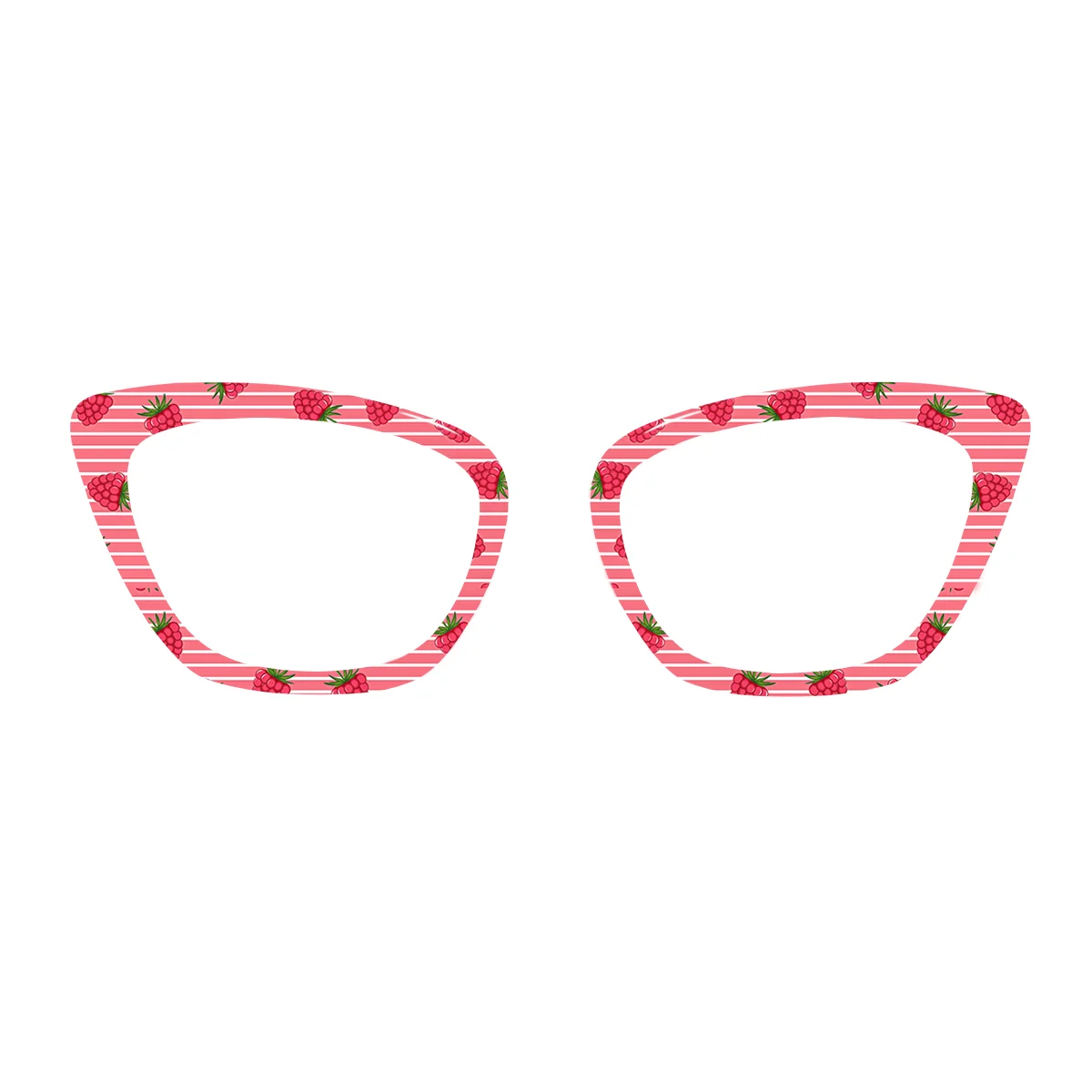
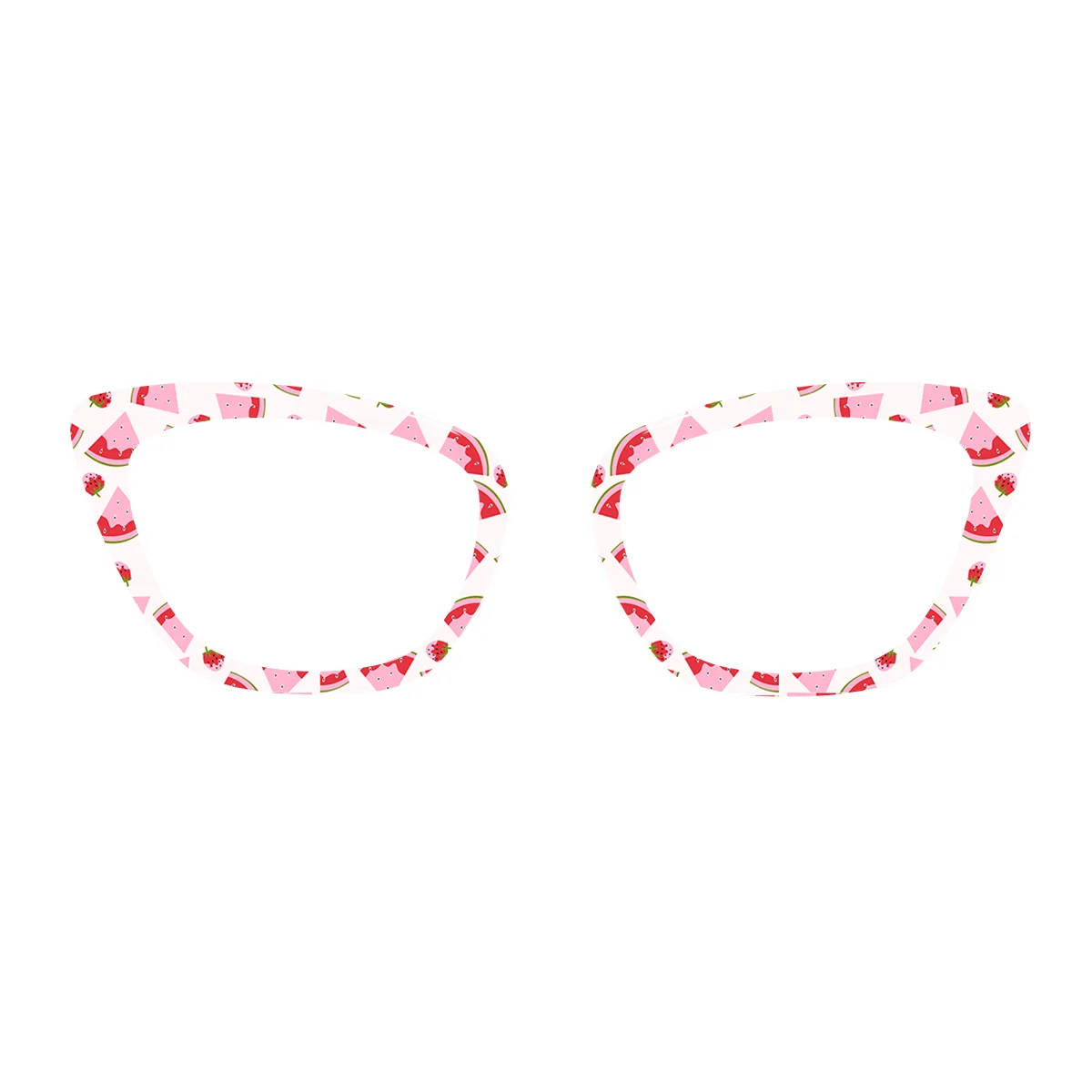
- Multiple interchangeable top frames or overlays
- A magnetic or clip-on attachment system
The base frame stays the same. The outer frame changes the look.
In theory, this allows you to:
- Match different outfits
- Switch styles for work, casual, or formal settings
- Replace multiple fashion frames with one core prescription pair
1.2 Why They’ve Become Popular
Combo glasses gained traction because they address three common pain points:
- Prescription lenses are expensive
- People want variety
- Carrying multiple pairs is inconvenient
The idea is simple: pay for lenses once, change the style as often as you want.
2. Why Some People Call Combo Glasses a “Scam”
Before defending combo glasses, we need to understand the criticism.
2.1 “The Frames Look Cheap”
Some early combo glasses:
- Used low-quality plastics
- Had weak magnets
- Looked bulky or misaligned
These products damaged the category’s reputation.
2.2 “I Only Use One Style Anyway”
Many buyers report:
- Loving one top frame
- Ignoring the rest after a few weeks
This leads to the feeling that the “extra frames” were unnecessary.
2.3 “They Don’t Feel Like Real Glasses”
Poorly designed systems can:
- Shift slightly when worn
- Feel heavier than standard frames
- Look less seamless up close
When execution is bad, the concept feels gimmicky.
3. The Real Question: Are Combo Glasses Bad—or Just Misunderstood?
The problem isn’t the idea.
The problem is expectation mismatch.
Combo glasses are not:
- A replacement for luxury eyewear
- A perfect solution for everyone
- Automatically cheaper in every scenario
They are a tool, and like any tool, they only make sense for certain users.
4. The Cost Breakdown: Do Combo Glasses Actually Save Money?
4.1 Traditional Eyewear Math
Let’s say:
- One prescription pair costs $200–$400
- Buying 3–5 styles means $600–$2,000
Most of that cost comes from:
- Lenses
- Coatings
- Prescription customization
4.2 Combo Glasses Math
With combo glasses:
- You pay for lenses once
- Additional frames are non-prescription
- Style changes cost significantly less
In many cases:
- One combo set = 40–60% less than buying multiple full pairs
Financially, the math works—if you actually use the frames.
5. Who Combo Glasses Are Actually For
5.1 Style-Conscious, Budget-Aware Users
If you:
- Like changing your look
- Want flexibility without luxury pricing
- Care more about variety than brand names
Combo glasses make sense.
5.2 Office-to-Evening Lifestyle
Combo glasses shine when you move between:
- Professional settings
- Casual environments
- Social occasions
Switching frames takes seconds—no extra glasses case required.
5.3 Frequent Travelers and Minimalists
Instead of packing:
- Multiple glasses
You pack: - One base frame
- A few lightweight top frames
Less space, less risk, less hassle.

6. Who Combo Glasses Are NOT Ideal For
6.1 Luxury Eyewear Enthusiasts
If you care deeply about:
- Brand heritage
- Handcrafted acetate
- Premium detailing
Combo glasses may feel underwhelming.
6.2 People Who Never Change Their Style
If you:
- Wear the same outfit every day
- Prefer one signature look
Extra frames won’t add value.
6.3 Users With Very High Prescriptions
Some strong prescriptions:
- Require thicker lenses
- Limit frame compatibility
Not all combo systems are suitable.
7. Design Quality: The Make-or-Break Factor
7.1 Magnet Strength and Alignment
High-quality combo glasses:
- Snap into place cleanly
- Stay aligned throughout the day
- Don’t shift during normal movement
Low-quality ones don’t.
7.2 Weight and Balance
Good designs:
- Distribute weight evenly
- Feel similar to standard glasses
Poor designs feel front-heavy or awkward.
7.3 Seamless Appearance
The best combo glasses:
- Hide the attachment mechanism
- Look like a single integrated frame
If it looks “modular,” it probably feels cheap.
8. The Psychological Trap: “More” Isn’t Always Better
Here’s where the “scam” feeling often comes from.
People buy:
- 5 top frames
- Use 1 or 2
- Feel like the rest were wasted
The issue isn’t deception—it’s overbuying.
Smart Rule:
Two to three genuinely different styles are more valuable than five similar ones.
9. Combo Glasses vs Multiple Budget Frames
Some people argue:
“Why not just buy 3 cheap prescription frames?”
Valid point—but consider:
- Lens quality consistency
- Prescription accuracy
- Adjustment differences
Combo glasses maintain:
- One lens setup
- One fit
- One optical center
That consistency matters for comfort.
10. Durability: Do Combo Glasses Last?
Well-made combo glasses:
- Use reinforced magnets
- Have scratch-resistant coatings
- Are tested for repeated attachment cycles
Cheap ones fail quickly.
As with any product category, quality varies widely.
11. Are Combo Glasses a “Tech Product” or a “Fashion Product”?
They’re actually both.
- Functionally: they solve a cost and convenience problem
- Fashion-wise: they offer controlled variety
Expecting them to fully replace either category leads to disappointment.
12. How to Buy Combo Glasses Without Regret
Checklist Before Buying:
- Do I want variety—or just value?
- Will I realistically use multiple styles?
- Is the base frame comfortable enough to wear all day?
- Are the top frames genuinely different?
If you can answer these honestly, you won’t feel scammed.
13. The Marketing Problem (And Why It Backfires)
“Buy one, get five” sounds exciting—but it sets the wrong expectation.
A better framing would be:
“One prescription, multiple practical styles.”
Combo glasses fail when marketed as magic.
They succeed when marketed as efficient.
14. Are Combo Glasses the Future of Eyewear?
Not for everyone—but for a growing segment, yes.
As consumers prioritize:
- Flexibility
- Value
- Modular design
Combo systems fit modern lifestyles surprisingly well.
They’re not replacing traditional eyewear—but they’re carving out a clear niche.
15. Final Verdict: Smart Choice or Intelligence Tax?
So, are combo glasses a scam?
No.
But they can feel like one if you buy them for the wrong reasons.
Combo glasses are:
- A smart solution for practical users
- A cost-effective way to enjoy variety
- A bad purchase for people chasing luxury or hype
They’re not magic.
They’re not useless.
They’re a tool that rewards realistic expectations.
The Bottom Line:
Combo glasses aren’t about getting five pairs for the price of one.
They’re about getting more flexibility from a single, well-chosen pair.
If that’s what you want—you’ll feel clever, not cheated.If you’ve ever browsed online eyewear stores or social media ads, you’ve probably seen this pitch. A single pair of glasses, combined with multiple interchangeable top frames or magnetic overlays, promises to replace several traditional pairs at a fraction of the cost.
For some people, it sounds brilliant.
For others, it sounds like a classic “too good to be true” gimmick.
So what’s the truth?
Are combo glasses—also known as interchangeable-frame glasses—actually practical and cost-effective? Or are they just another example of clever marketing dressed up as innovation?
In this article, we’ll break down how combo glasses really work, who they’re designed for, where they shine, where they fall short, and whether they’re worth your money—without hype, without brand bias, and without exaggeration.
1. What Are Combo Glasses, Really?
1.1 The Basic Concept
Combo glasses typically consist of:
- One base optical frame (with prescription lenses)
- Multiple interchangeable top frames or overlays
- A magnetic or clip-on attachment system
The base frame stays the same. The outer frame changes the look.
In theory, this allows you to:
- Match different outfits
- Switch styles for work, casual, or formal settings
- Replace multiple fashion frames with one core prescription pair
1.2 Why They’ve Become Popular
Combo glasses gained traction because they address three common pain points:
- Prescription lenses are expensive
- People want variety
- Carrying multiple pairs is inconvenient
The idea is simple: pay for lenses once, change the style as often as you want.
2. Why Some People Call Combo Glasses a “Scam”
Before defending combo glasses, we need to understand the criticism.
2.1 “The Frames Look Cheap”
Some early combo glasses:
- Used low-quality plastics
- Had weak magnets
- Looked bulky or misaligned
These products damaged the category’s reputation.
2.2 “I Only Use One Style Anyway”
Many buyers report:
- Loving one top frame
- Ignoring the rest after a few weeks
This leads to the feeling that the “extra frames” were unnecessary.
2.3 “They Don’t Feel Like Real Glasses”
Poorly designed systems can:
- Shift slightly when worn
- Feel heavier than standard frames
- Look less seamless up close
When execution is bad, the concept feels gimmicky.
3. The Real Question: Are Combo Glasses Bad—or Just Misunderstood?
The problem isn’t the idea.
The problem is expectation mismatch.
Combo glasses are not:
- A replacement for luxury eyewear
- A perfect solution for everyone
- Automatically cheaper in every scenario
They are a tool, and like any tool, they only make sense for certain users.
4. The Cost Breakdown: Do Combo Glasses Actually Save Money?
4.1 Traditional Eyewear Math
Let’s say:
- One prescription pair costs $200–$400
- Buying 3–5 styles means $600–$2,000
Most of that cost comes from:
- Lenses
- Coatings
- Prescription customization
4.2 Combo Glasses Math
With combo glasses:
- You pay for lenses once
- Additional frames are non-prescription
- Style changes cost significantly less
In many cases:
- One combo set = 40–60% less than buying multiple full pairs
Financially, the math works—if you actually use the frames.
5. Who Combo Glasses Are Actually For
5.1 Style-Conscious, Budget-Aware Users
If you:
- Like changing your look
- Want flexibility without luxury pricing
- Care more about variety than brand names
Combo glasses make sense.
5.2 Office-to-Evening Lifestyle
Combo glasses shine when you move between:
- Professional settings
- Casual environments
- Social occasions
Switching frames takes seconds—no extra glasses case required.
5.3 Frequent Travelers and Minimalists
Instead of packing:
- Multiple glasses
You pack: - One base frame
- A few lightweight top frames
Less space, less risk, less hassle.
6. Who Combo Glasses Are NOT Ideal For
6.1 Luxury Eyewear Enthusiasts
If you care deeply about:
- Brand heritage
- Handcrafted acetate
- Premium detailing
Combo glasses may feel underwhelming.
6.2 People Who Never Change Their Style
If you:
- Wear the same outfit every day
- Prefer one signature look
Extra frames won’t add value.
6.3 Users With Very High Prescriptions
Some strong prescriptions:
- Require thicker lenses
- Limit frame compatibility
Not all combo systems are suitable.
7. Design Quality: The Make-or-Break Factor
7.1 Magnet Strength and Alignment
High-quality combo glasses:
- Snap into place cleanly
- Stay aligned throughout the day
- Don’t shift during normal movement
Low-quality ones don’t.
7.2 Weight and Balance
Good designs:
- Distribute weight evenly
- Feel similar to standard glasses
Poor designs feel front-heavy or awkward.
7.3 Seamless Appearance
The best combo glasses:
- Hide the attachment mechanism
- Look like a single integrated frame
If it looks “modular,” it probably feels cheap.
8. The Psychological Trap: “More” Isn’t Always Better
Here’s where the “scam” feeling often comes from.
People buy:
- 5 top frames
- Use 1 or 2
- Feel like the rest were wasted
The issue isn’t deception—it’s overbuying.
Smart Rule:
Two to three genuinely different styles are more valuable than five similar ones.
9. Combo Glasses vs Multiple Budget Frames
Some people argue:
“Why not just buy 3 cheap prescription frames?”
Valid point—but consider:
- Lens quality consistency
- Prescription accuracy
- Adjustment differences
Combo glasses maintain:
- One lens setup
- One fit
- One optical center
That consistency matters for comfort.
10. Durability: Do Combo Glasses Last?
Well-made combo glasses:
- Use reinforced magnets
- Have scratch-resistant coatings
- Are tested for repeated attachment cycles
Cheap ones fail quickly.
As with any product category, quality varies widely.
11. Are Combo Glasses a “Tech Product” or a “Fashion Product”?
They’re actually both.
- Functionally: they solve a cost and convenience problem
- Fashion-wise: they offer controlled variety
Expecting them to fully replace either category leads to disappointment.
12. How to Buy Combo Glasses Without Regret
Checklist Before Buying:
- Do I want variety—or just value?
- Will I realistically use multiple styles?
- Is the base frame comfortable enough to wear all day?
- Are the top frames genuinely different?
If you can answer these honestly, you won’t feel scammed.
13. The Marketing Problem (And Why It Backfires)
“Buy one, get five” sounds exciting—but it sets the wrong expectation.
A better framing would be:
“One prescription, multiple practical styles.”
Combo glasses fail when marketed as magic.
They succeed when marketed as efficient.
14. Are Combo Glasses the Future of Eyewear?
Not for everyone—but for a growing segment, yes.
As consumers prioritize:
- Flexibility
- Value
- Modular design
Combo systems fit modern lifestyles surprisingly well.
They’re not replacing traditional eyewear—but they’re carving out a clear niche.
15. Final Verdict: Smart Choice or Intelligence Tax?
So, are combo glasses a scam?
No.
But they can feel like one if you buy them for the wrong reasons.
Combo glasses are:
- A smart solution for practical users
- A cost-effective way to enjoy variety
- A bad purchase for people chasing luxury or hype
They’re not magic.
They’re not useless.
They’re a tool that rewards realistic expectations.
The Bottom Line:
Combo glasses aren’t about getting five pairs for the price of one.
They’re about getting more flexibility from a single, well-chosen pair.
If that’s what you want—you’ll feel clever, not cheated.
Share this post








The Ultimate Value Champion - How One Pair of Modular Glasses Can Handle Work, Workouts, and Dates
Real value is about buying smarter.We expect one smartphone to replace a camera, a GPS, a notebook, and a wallet.We expect one...
The Architecture of Presence: Why Custom Eyewear is the Secret to "Magnetic Eyes"
Walk into any home improvement store in the United States and you’ll see rows of blackout curtains promising better sleep, lower energy...
The Balance of Lightness and Strength: The Wearing Aesthetics of Mechanical Clip Eyewear
Eyewear has always lived at the intersection of function and expression. For centuries, glasses were designed primarily to correct vision, with aesthetics...
Do Long-Unused Custom Eyeglasses Need Lubrication? The Correct Way to Store and Preserve Them Long Term
Custom eyeglasses are more than everyday accessories. They are precision-built optical tools designed to match your face shape, prescription needs, and personal...
Are Pink Glasses in Style?
Pink glasses are a timeless symbol of charm and personality. They evoke feelings of compassion, love, and hope, making them a popular...
A Minimalist’s Dream, Why One Pair of Custom Glasses Is All You Need When You Travel
Minimalism isn’t about owning less for the sake of it.It’s about owning better.For travelers, that idea becomes very real the moment you...