



Magnetic vs Clip-On Modular Glasses
Which Structure Actually Lasts Longer Over Time?
Modular glasses are no longer a novelty.
They’ve moved past the “cool idea” phase and into real-world use—daily wear, frequent swapping, travel, work, and life.
And once people start using modular glasses seriously, one question always comes up:
“Which system actually lasts longer—magnetic or clip-on?”
It’s a fair question.
Because modular glasses aren’t judged by how they look on day one.
They’re judged by how they perform on day 500.
This article takes a deep, practical look at structural lifespan, not marketing promises.
No hype.
No buzzwords.
Just how these two systems behave under real, repeated use.
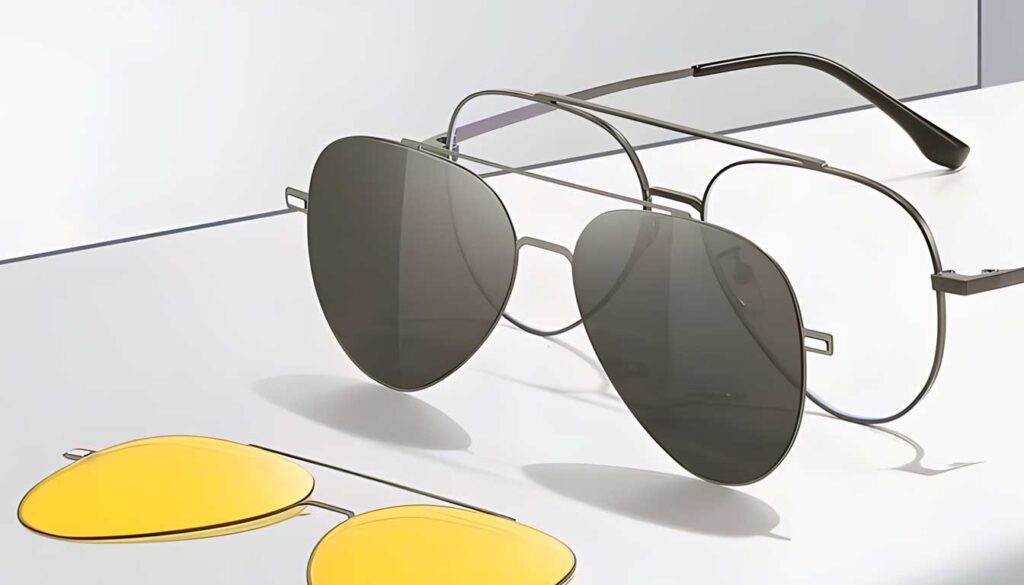
First, Let’s Define the Two Systems Clearly
Before comparing durability, we need to understand how each system works mechanically.
Magnetic Modular Glasses
Magnetic systems rely on:
- Embedded magnets (usually neodymium)
- Metal contact points
- Passive alignment through magnetic force
Components snap together automatically when brought close.
Key characteristics:
- No moving mechanical joints
- No bending required during attachment
- Self-aligning structure
Clip-On / Snap-Fit Modular Glasses
Clip-on systems rely on:
- Physical hooks, tabs, or clasps
- Manual alignment
- Mechanical tension
Components are attached by:
- Pressing
- Snapping
- Locking into place
Key characteristics:
- Clear tactile “click”
- Defined attachment points
- Mechanical stress during each swap
What “Structure Lifespan” Actually Means
When users ask about lifespan, they’re usually thinking about more than one thing.
Structural longevity includes:
- How many attach/detach cycles the system survives
- How performance changes over time
- Whether wear affects usability
- How forgiving the system is to imperfect handling
It’s not just “does it break?”
It’s “does it still feel good to use after years?”
The #1 Enemy of Modular Systems: Repetition
The biggest stress test for any modular eyewear system is repeated use.
Not accidents.
Not drops.
Not extreme abuse.
Just normal, everyday swapping.
Hundreds.
Then thousands.
Then more.
This is where magnetic and clip-on systems diverge dramatically.
Magnetic Systems Under Repeated Use
Magnetic systems excel in one crucial area:
They don’t require force.
Each attachment:
- Uses attraction, not pressure
- Involves no friction between locking parts
- Requires no deformation of material
As a result:
- There’s minimal mechanical wear per cycle
- Contact points don’t “loosen”
- Alignment remains consistent
High-quality magnets lose very little strength over time under normal conditions. In everyday eyewear use, magnet degradation is negligible.
The limiting factor is usually:
- Surface wear
- Housing integrity
- External damage
Not magnet fatigue.
Clip-On Systems Under Repeated Use
Clip-on systems tell a different story.
Every snap involves:
- Force applied by the user
- Material flexing
- Friction at contact points
Over time, this can lead to:
- Loosening tension
- Micro-cracks in plastic tabs
- Metal fatigue in thin hooks
- Reduced “snap confidence”
The system may still work—but it feels different.
That change in feel is often the first sign of aging.
Wear Is Not Binary—It’s Gradual
One of the most important distinctions:
Clip-on systems rarely fail suddenly.
They fade.
They go from:
“Firm and satisfying”
to
“A little loose”
to
“I have to be careful”
Magnetic systems tend to remain consistent until a physical component is damaged.
That consistency matters in perceived quality.
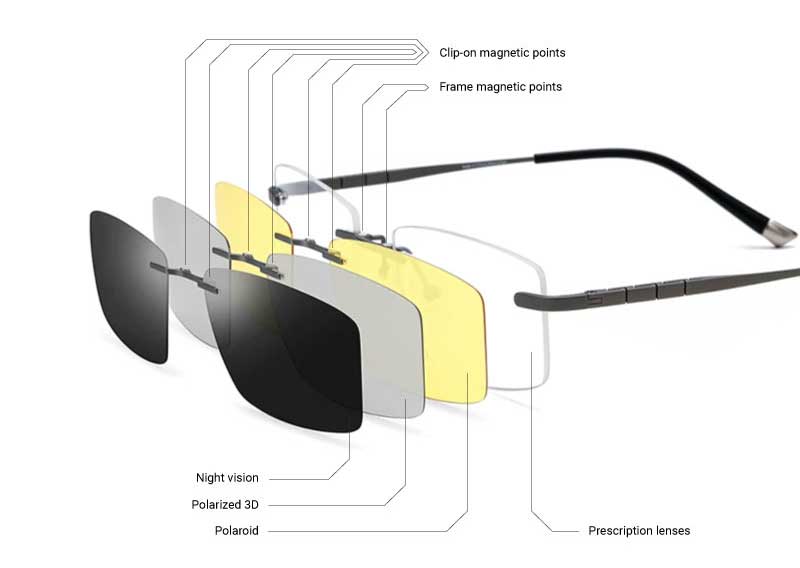
Alignment Over Time: A Hidden Factor
Alignment accuracy affects both:
- Visual appearance
- User confidence
Magnetic Systems
Magnets naturally pull components into the same position every time.
Even if the user approaches slightly off-angle, the system corrects itself.
This reduces:
- Misalignment stress
- Asymmetric wear
- User-induced damage
Clip-On Systems
Clip-on attachments depend heavily on:
- User precision
- Even pressure
- Correct angle
Over time, slight misalignments can:
- Wear one side faster than the other
- Create uneven stress
- Lead to cosmetic gaps
This doesn’t always break the system—but it ages it unevenly.
Impact of User Behavior
Real users aren’t robots.
They:
- Swap quickly
- Use one hand
- Attach while walking
- Apply uneven pressure
Magnetic systems are more forgiving of imperfect behavior.
Clip-on systems assume:
- Deliberate alignment
- Even force
- Calm conditions
Over years, forgiveness translates directly into longevity.
Environmental Stress: Heat, Sweat, and Daily Life
Both systems face environmental challenges:
- Heat from sun exposure
- Sweat and skin oils
- Dust and debris
Magnetic Systems
- Magnets are sealed
- No moving parts to clog
- Performance less affected by micro-debris
Clip-On Systems
- Small particles can interfere with snap fit
- Sweat can accelerate material fatigue
- Repeated friction increases wear under heat
Again, not catastrophic—but cumulative.
Maintenance and Aging Gracefully
Longevity isn’t just about surviving—it’s about aging well.
Magnetic Systems Age Like This:
- Same attachment feel
- Same alignment
- Slight cosmetic wear at contact points
Clip-On Systems Age Like This:
- Gradual loosening
- Reduced tactile feedback
- Need for gentler handling
One feels “the same, just older.”
The other feels “more fragile.”
Repairability and Component Replacement
This is where modular philosophy really matters.
Magnetic systems:
- Components can often be replaced independently
- Wear is isolated to specific parts
- Base frame remains untouched
Clip-on systems:
- Wear often affects structural tabs integrated into the frame
- Damage can compromise the entire connection
- Replacement may require full component swap
From a lifecycle perspective, magnets localize wear better.
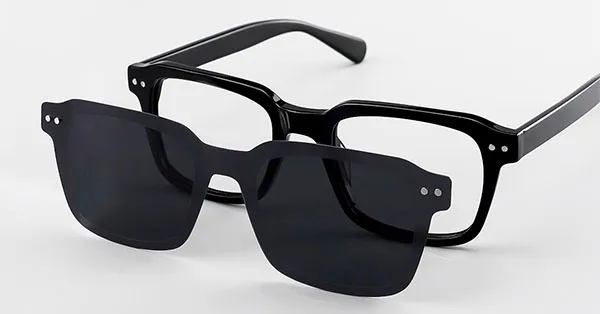
Weight and Stress Distribution
Another overlooked factor is how stress is distributed.
Magnetic systems distribute load across:
- Multiple magnetic points
- Surface contact areas
Clip-on systems concentrate stress at:
- Specific hooks or tabs
Concentrated stress accelerates fatigue.
Distributed stress extends lifespan.
Psychological Longevity Matters Too
Here’s something rarely discussed:
Users stop trusting systems before they stop working.
When clip-on systems loosen, users:
- Handle them more cautiously
- Swap less often
- Worry about breakage
Magnetic systems maintain user confidence longer because:
- The interaction feels the same
- There’s no perceived degradation
That confidence keeps the system in active use—ironically extending its real-world lifespan.
When Clip-On Systems Still Make Sense
To be fair, clip-on systems aren’t inherently bad.
They work well for:
- Occasional swapping
- Low-frequency use
- Users who prefer tactile feedback
If you rarely change configurations, clip-on durability may be sufficient.
The issue arises with frequent, daily modular behavior.
When Magnetic Systems Clearly Win
Magnetic systems shine for:
- Daily swapping
- Multi-context lifestyles
- Long-term ownership
- Users who value consistency
They’re optimized for repetition.
And repetition defines real-world use.
Cost vs Longevity Trade-Off
Magnetic systems often:
- Cost more upfront
- Require higher manufacturing precision
But over time:
- They retain functionality longer
- Reduce replacement frequency
- Preserve user experience
Longevity isn’t just durability—it’s sustained quality.
The Honest Verdict
So, which structure lasts longer?
From a structural, mechanical, and behavioral standpoint:
Magnetic modular glasses generally have a longer effective lifespan than clip-on systems, especially under frequent use.
Not because clip-ons are weak—
but because magnets are better suited to repetition.
The Bigger Picture: Design Philosophy Matters
This comparison isn’t really about magnets vs clips.
It’s about:
- Passive vs active attachment
- Force vs attraction
- Precision vs forgiveness
Magnetic systems align better with how humans actually behave.
And products that accept human behavior tend to last longer.
Final Thoughts: Longevity Is About Trust
A modular system doesn’t just need to survive time.
It needs to:
- Feel reliable
- Invite use
- Stay intuitive
Magnetic systems achieve longevity not by being indestructible—but by being effortless.
And in daily life, effortlessness is durability.

Share this post


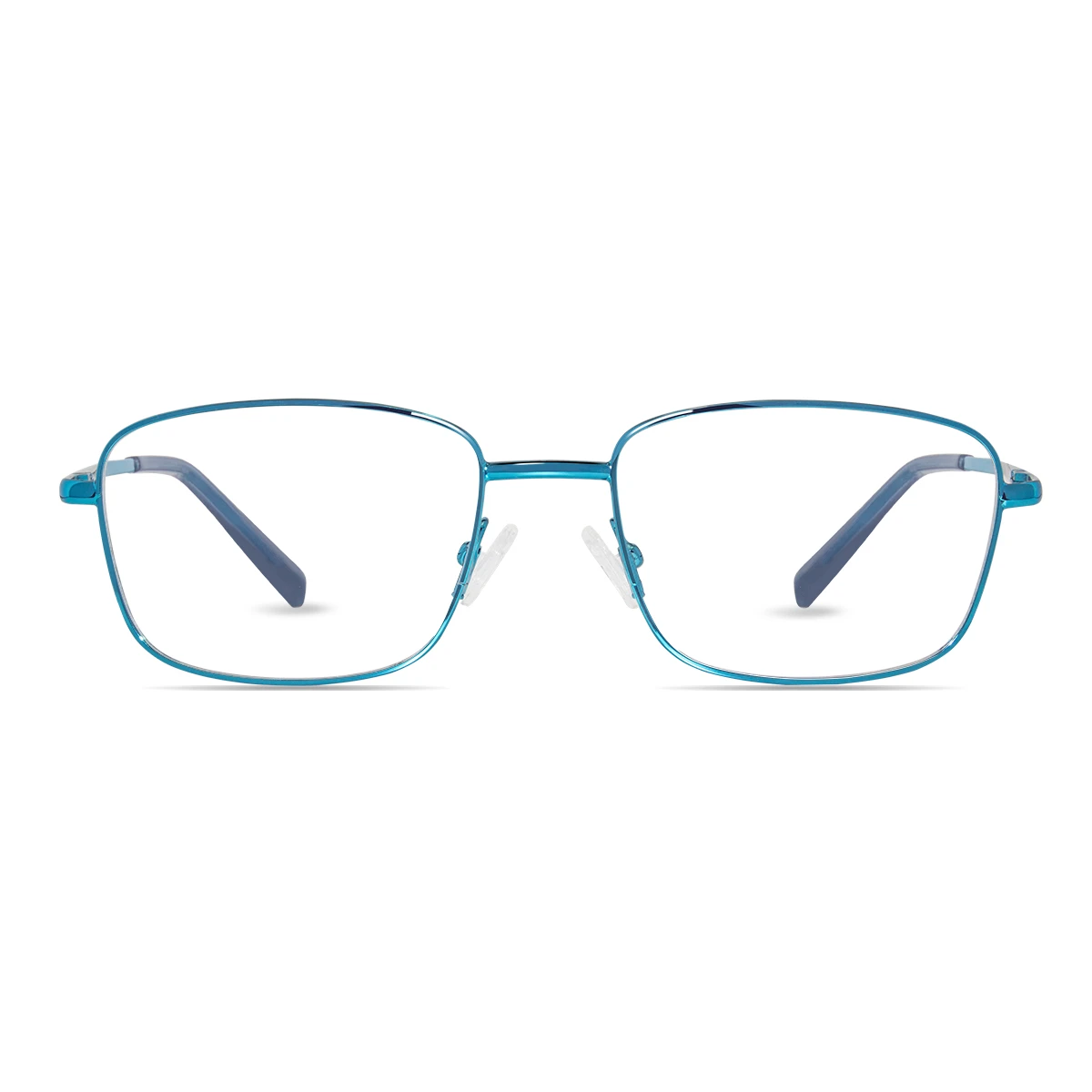
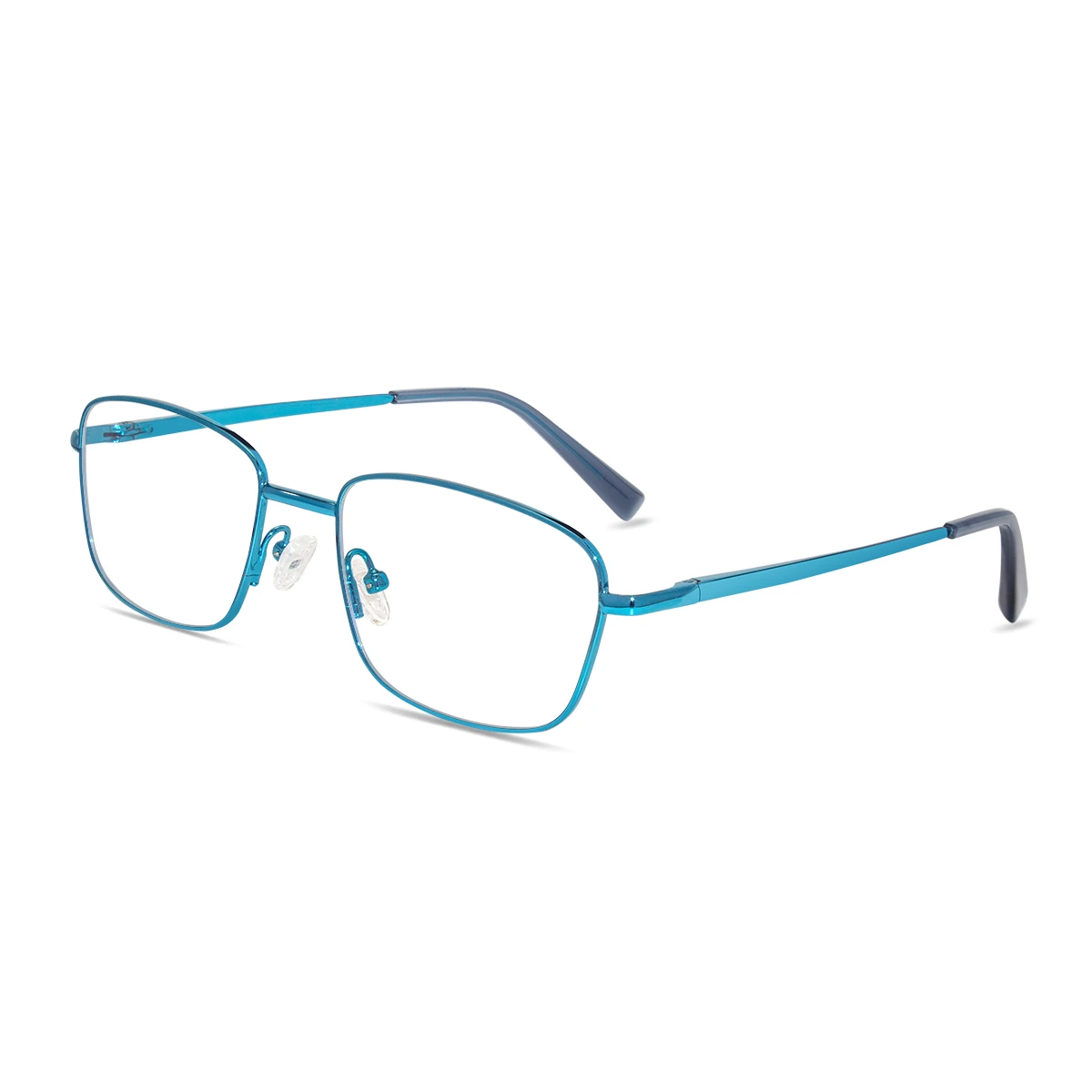
Soline Ice Blue Base Frame - Wide Rectangle




No Slipping During Workouts, Polished in Meetings
The Hidden Tech Behind Interchangeable Eyeglass TemplesLet’s start with a familiar frustration.You’re wearing glasses.At your desk, they look sharp.In meetings, they feel...
Minimalist Aesthetics: Exploring the Precision Craftsmanship Behind Mechanical Snap-Fit Eyewear
Minimalism is often misunderstood as simplicity. In reality, true minimalism represents one of the most demanding forms of design. Removing elements does...
Micron-Level Precision: How 3D Cranial Modeling Creates the Feeling of “Invisible” Wear
There is a moment many people experience when trying truly well-designed wearable products for the first time — glasses that seem to...